When it comes to your finances, most people think that creating a budget, or even creating budgeting habits, will limit what you can do. The truth is, just like when you create a budget, creating financial habits creates freedom within your lifestyle. When you build better budgeting habits now, you can do more of what you want to do in the future, rather than restrict yourself due to poor habits.
One of the books that I enjoy when it comes to creating habits is the book Atomic Habits*. Not only does this book help you create better financial habits, but it also creates better habits for your life overall. Habits are meant to be automatic solutions to the problems that we face, not activities that add more stress. By building better budgeting habits right now, you will have the capability to do more of what you want in the future.

Tips Before Starting Financial Habits
The best advice I have is to NOT start all of these at once. Pick one or two of these habits that will benefit you the most right now, and start them. Take small steps towards building the habit and eventually achieving it. (You’ll know you’ve achieved it as a habit when you are doing it automatically, without thinking or feeling like you’re pulling teeth to not avoid doing the adult-y thing.)
If you can get one new habit to coincide, or stack, with a habit you already have, it will make the transition much easier. For example, if you want to become better at tracking your expenses, when you sit down to review your week, pull out all your receipts and review your spending too.
Make sure you have a plan in place for anything that may become an obstacle. Back to our expenses example, if you’re reviewing your expenses for the first time, it’s best to do it when you have enough time and it’s quiet. During a chaotic time is not ideal for reviewing your expenses.
Create an accountability system. I personally love trackers! There’s something about coloring in a square to mark that I met that small goal that’s very satisfying. Also, don’t get discouraged if you’re not making big strides towards these habits right away. While it can take 60+ days to make a new habit, it can take up to 200 days if you’re trying to change an old habit for a new one.
Benefits of Good Habits in Your Finances
There are many benefits to having good habits that can add to your overall financial health. Here are 10 benefits that good budgeting habits have on your financial health.
1 – Greater Control Over Your Money
Rather than wondering where your money went and attempting to figure it out, the purpose of a budget is for you to assign jobs to your money. When you know what your income and expenses are, it helps you gain clarity on achieving your financial goals. This allows you to be in the driver’s seat of your finances while reducing stress and building confidence.
2 – Breaks Living Paycheck to Paycheck
Living paycheck to paycheck means you are not prepared for any emergencies or have sinking funds in place for upcoming expenses. This isn’t the case. Budgeting allows you to use each paycheck to plan in advance, rather than react.
As you strengthen your financial habits, you can build a cushion within your bank account to avoid overdrafts and have some breathing room within your budget. Planning for the paycheck with a zero-based budget rather than reacting to it is how you move on from living paycheck to paycheck to being intentional with each paycheck.
3 – Reduces Financial Stress
Money is one of the largest sources of anxiety. When you have a clear plan for your bills, savings, and spending, this is no longer the case. Budgeting ahead of time helps you prepare for any unexpected expenses and avoid the potential for surprises.

4 – Improved Communication & Relationships
One of the common sources of stress within relationships stems from money. When you budget as a couple or as a family, your financial goals should be shared and communicated. As everyone has a part within the household finances, transparency and teamwork will help strengthen trust and alignment towards goals that benefit the family, not just one individual.
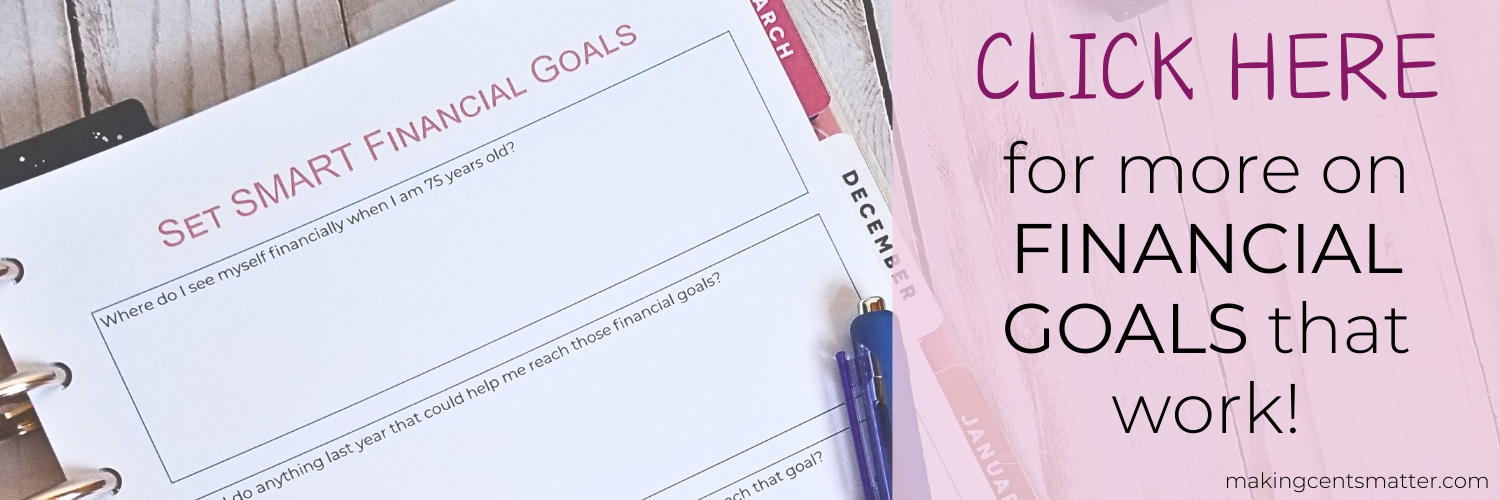
5 – Progress Towards Financial Goals Faster
When you are successful with your budgeting habits, you can prioritize your financial goals rather than hoping you will get there someday. Whether it is building an emergency fund, paying off debt, or saving up for a vacation, you know that your small, consistent habits help you make progress over time.
6 – Prepared For Emergencies
Aside from creating an emergency fund, good budgeting habits help you create sinking funds as well. If you have an unexpected car expense, but you have a sinking fund for your car, you are not as stressed and are less likely to rely on credit cards in the moment. Preparing ahead also helps create peace of mind, knowing that you have budgeted for what can happen throughout life.
7 – Improves Decision-Making
As you improve your budgeting habits, you are aware of what you can realistically afford and make a well-informed decision. This can be whether you are looking at larger decisions, such as moving locations or buying a new car, to smaller ones like adding a subscription. Your budget and financial habits help to give a clear picture of what you can afford.
8 – Decreases Impulse Purchases
As you improve your budgeting habits and give every dollar a job, you start to think before you spend. This improved awareness helps you become mindful of impulsive purchases that may be unnecessary. You also become better at distinguishing purchases that are wants versus those that are needs. Over time, you go from being impulsive to purposeful with your spending.
9 – Guilt-Free Spending
I mentioned above that many people believe a budget restricts what you can and cannot do. This doesn’t mean that you cannot have fun, it just means that you plan for it ahead of time!
Whether you decide to dine out, see a movie, or even take a week-long vacation, including these within your budget helps you enjoy the experience without the guilt. Planning the spending ahead of time helps you live a balanced and well-budgeted life.
10 – Increased Confidence & Awareness of Finances
As you gain experience tracking your income and expenses regularly, you learn about your patterns, habits, needs, and priorities. This increased awareness helps you to feel more confident in how you handle your money as well as the financial decisions you make. The more you budget, the more power you have!
Financial Habits for Budgeting (& Tracking Expenses)
While these habits seem like they are simple steps to take to help take control of your spending, these are also habits that can be overlooked easily. As a beginning budgeter, these habits are designed to help you learn how to manage your finances more effectively. These 10 budgeting habits will help you build a solid foundation that helps to improve your long-term financial health.
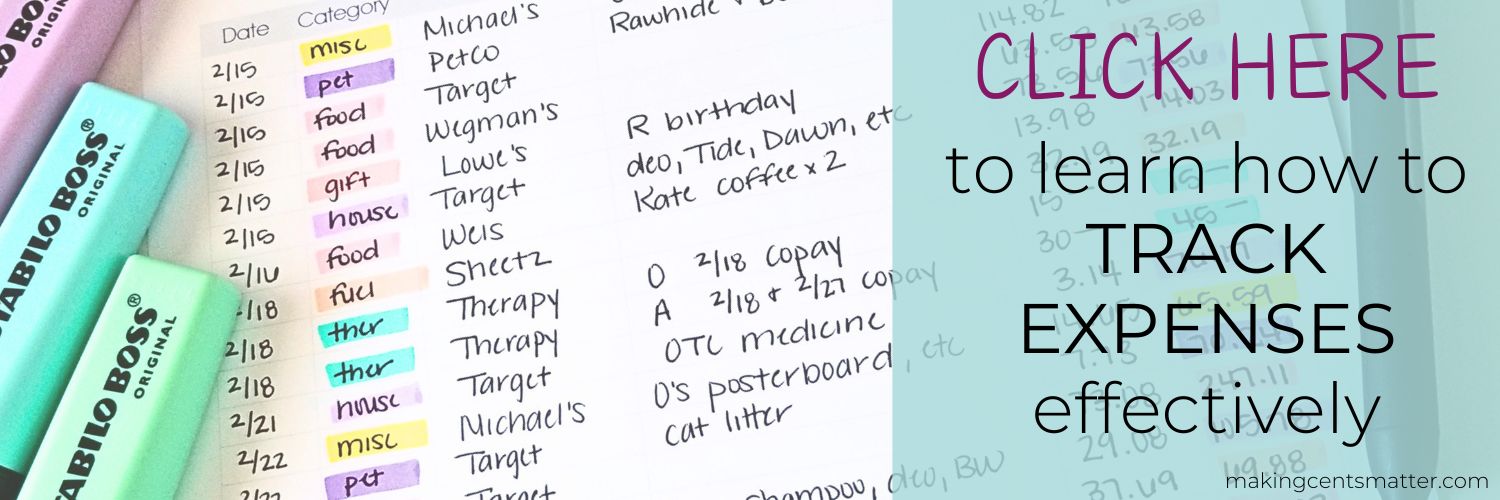
1 – Track every dollar you spend for a month
If you have never tracked your spending before, this is the perfect place to start. For an entire month, write down every single purchase you make, whether it’s in-store or online. This helps you see where your money actually goes, rather than where you think it goes. What you’ll find is that small, repeated expenses – even $0.99 app purchases – add up quickly!
To get started, use a notebook, a spreadsheet, or an expense tracker. Being aware of your true expenses is the first step to making a change. Once you know your spending patterns, you can make better decisions about what categories need to be cut from your budget and what categories need to be adjusted. This isn’t meant to be a judgment of your expenses, but an eye-opener for where your money really goes.
2 – Write All Your Bills & Due Dates On A Calendar
Writing all of your financial obligations, like rent, credit card payments, utilities, subscriptions, and paydays, on a calendar helps to organize them and keep them visible. It doesn’t matter whether you use a digital calendar or a paper planner; being aware of when your money is going out helps you to plan ahead. It also shows you when there are too many bills clustered within one paycheck. In the end, utilizing a budget calendar helps you feel more in control of your money and where it is going.
3 – Utilize a Bill Pay Checklist
Including a bill pay checklist as a part of your budgeting habits also helps to ensure you’ve paid your bills on time. I also like to use my bill-pay checklist to note my non-monthly bills, so that I can easily predict when a bill is going to be more or less than what I’ve estimated. This helps me to be proactive and adjust my estimates over time, keeping my budget realistic, rather than reacting to increases that may occur without any warning.
4 – Create Categories For Your Spending
By dividing your expenses into categories, you can easily see where your money is going. The most common budgeting categories include:
- Housing (Rent/Mortgage)
- Utilities
- Savings
- Fuel / Transportation
- Groceries / Eating Out
- Clothing
- Personal Care
- Pet Supplies
- Entertainment
- Medical Costs
When you use budgeting categories, you can easily spot patterns and see where you may be spending more than you think. Using categories also helps you identify areas within your budget that could be cut back, and others that cannot be reduced. Categorizing your expenses may seem tedious, but it is a helpful financial habit that helps improve your decision-making and overall goal-setting.
5 – Plan Your Spending Before Your Paycheck
Don’t wait for your paycheck to hit your bank account before you decide what to spend your money on. Before each paycheck, look at your budget calendar and assign amounts to your budget categories.
Be sure to include a budget category for any irregular expenses that may occur throughout the pay period. Birthdays, school expenses, and any car maintenance can easily be planned and budgeted into a paycheck.
Planning your spending before your paycheck also helps you align your spending with your financial goals. The earlier you plan, the more time you have to adjust your budget if something doesn’t work out. This helps to reduce stress and give you more control over money.

6 – Create a Budget, and stick to it
It doesn’t matter which budgeting method you choose to use, but you need to stick to a budget. It outlines your income and estimated essential and non-essential expenses, as well as savings goals and spending limits. Remember to keep your budget as simple as possible, because complex budgets are often abandoned. If you keep going over in one category, you need to adjust another.
The goal isn’t perfection when it comes to your budget, it’s intention. Being intentional and purposeful with your money helps to create clarity and control over your finances.
Related Posts:
7 – Review & Adjust Your Budget Monthly Based On Actual Expenses
There is no budget that will be perfect from the start. It is an estimate of what your income and expenses are, and then life takes the reins. As you track your actual expenses, be sure to review your spending as well. Over time, you will notice what is working and what is not working.
This could look like an under-budgeted category, like groceries for three teenagers, or a seasonal bill that was forgotten. Simply review your budget, adjust your expenses, and take note for the next budget you create. When you can be flexible with your budget, it helps keep it realistic and effective.
8 – Set A Specific Spending Limit for Non-Essentials Each Week
Setting a weekly spending cap for small things like coffee, dining out, hobbies, and shopping helps you enjoy spending money on non-essentials without feeling guilty.
To be successful here, choose a reasonable amount; it should be enough to have fun, but not so much that it derails your budget. Make sure that you are tracking your spending against this limit throughout the week as well. If you reach your maximum early, pause until the next week.
In the process, you are building self-discipline without complete restriction. Simply having the limit helps prevent end-of-the-month budget disasters.
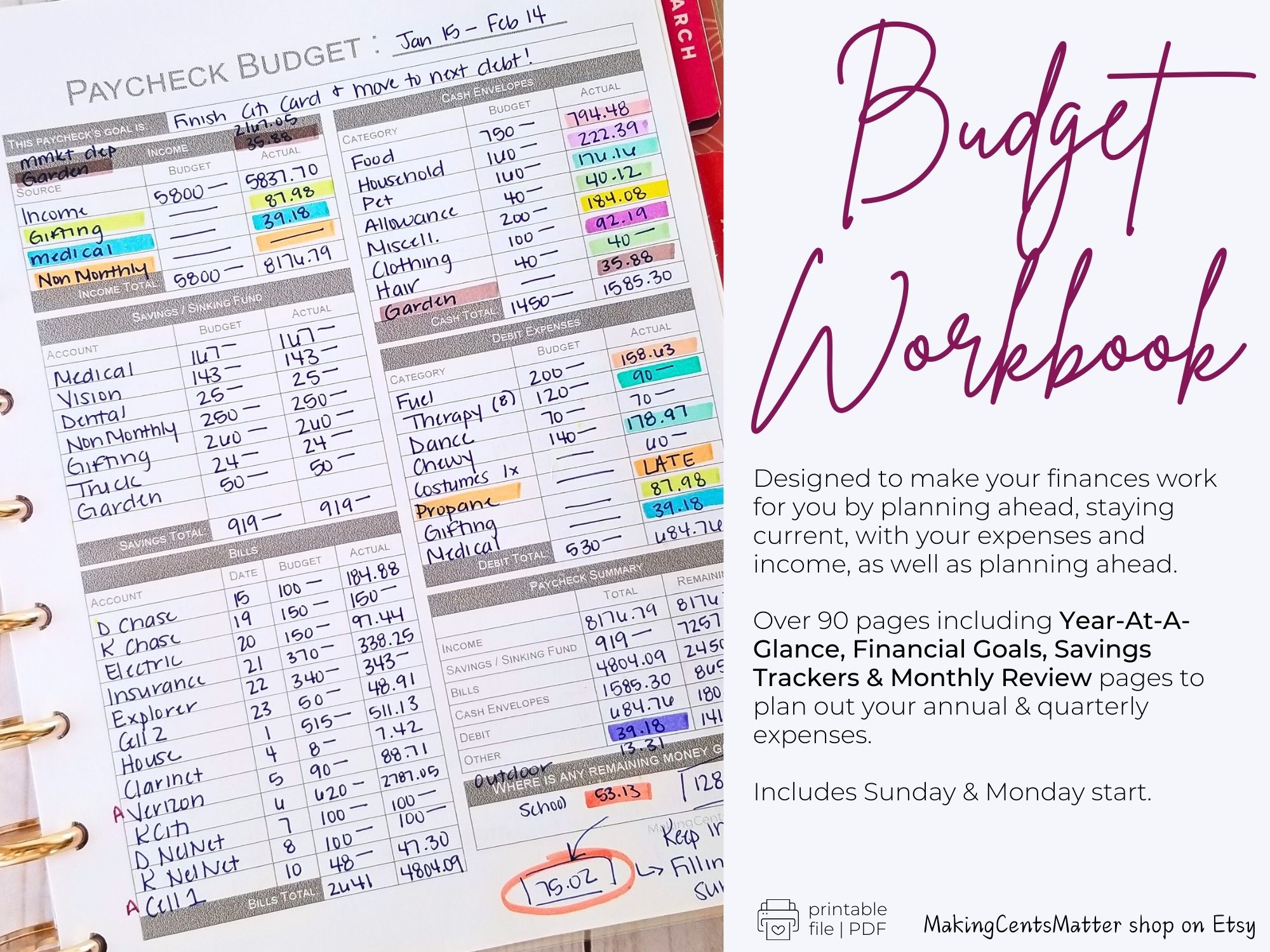
9 – Use a Budgeting Workbook To Stay Organized
While digital tools like apps and spreadsheets can make it easier to manage your budget, if you are just starting to budget, I suggest using a budget workbook or budget planner. Not only will it help keep your finances organized, but also in sight. Keeping your budget in sight helps to remind you to update it regularly, without getting lost within distractions on your phone, tablet, or computer.
When your finances are organized, it is much simpler to make informed decisions. By keeping your budget visible, it helps you remain accountable.
10 – Review Your Spending
If you wait until the end of the month to review your budget, it can already be too late. Checking in with your spending daily, or even weekly, helps you catch any overspending early and allows you to adjust your spending for the remainder of the month.
Take about 10-15 minutes a week to review and categorize your expenses. Not only can you quickly adjust your spending, but you are also aware of your spending, and can become more mindful. Over time, this is a habit that helps to strengthen your financial discipline.
A Final Note on Budgeting Habits for Beginners:
Remember that your budget is meant to be flexible, not rigid. As you implement these 10 budgeting habits, you’ll see that your income can work for you and your life’s priorities, rather than you reacting to what your income needs to cover at a particular moment in time.

Leave a Reply