
If you’ve ever felt like your money disappears the moment you are paid, you aren’t alone. Many people struggle to feel in control of their finances. The good news is that you can regain control of your finances, and it starts with understanding one simple tool: a budget. This beginner’s guide to budgeting will walk you through the basics, dispel some budget myths, and help you start your journey to financial freedom.

Related Posts:
- 15 Goals You Need In Your Budget
- 10 Budgeting Habits That Are Essential For Beginners
- How To Effectively Track Your Bills
What Is A Budget
Budgeting for beginners does not need to be complicated or chaotic. What matters within your budget is that you give every dollar a job, so that you are prioritizing your finances for what matters most to you.
By definition, a budget is an estimate of your income and expenses for a set period of time.
A budget is essentially a roadmap for your money. It plans how you will spend and save your money, as well as tracks your income. The goal for creating a budget is to have a clear picture of where your money goes so that you can make intentional spending choices.

Why Creating A Budget Matters
Many people believe that when they budget their finances, they are restricting their spending. The opposite is true.
An effective budget gives you financial freedom. It allows you to spend your money without feeling guilty, simply because you’ve planned for the expense. A practical budget helps you avoid the stress of surprise bills, last-minute and unexpected expenses, and even overdraft and late fees.
Your budget matters to you because it:
- Prevents overspending since you know exactly what you can afford.
- Improves spending habits by highlighting expenses that can be cut and where you can start saving money.
- Supports your financial goals, helping you get there faster.
- Reduces financial stress by knowing whether you will be able to afford your bills.
- Creates the foundation for financial health through consistency and improved financial decisions.
Common Budgeting Myths
There are many myths surrounding personal finances out there. Here are just four common budgeting myths, and an honest answer.
Myth #1 – Budgeting is only for people who are bad with money.
The simple truth is that everyone benefits from a budget, no matter whether you are good or bad with money. A budget simply breaks down how you plan to manage your money with intention.
Myth #2 – Budgets are too restrictive.
A good budget not only focuses on increasing your savings and reducing your debt, but it also includes room for fun and flexibility. A successful budget isn’t about saying no, but saying yes to what matters most to you.
Myth #3 – I don’t make much money, so I don’t need to budget.
If your money is tight, budgeting is even more essential. A good budget will help you stretch every dollar that you earn to avoid adding unnecessary debt.
Myth #4 – I’ll never be able to stick to my budget.
Like any activity, budgeting takes practice, and no one gets it perfect right away. The key to an effective budget that works for you is progress, not perfection. That means you need to start small, remain consistent, and learn from your mistakes. Every pay date is a new opportunity to improve your skills.

Common Fears Surrounding Budgets
The myths surrounding finances are one reason that people don’t want to create a budget. Another is some of the fears that budgeting may create. Here are three common fears about managing personal finances and how to overcome those fears.
You Don’t Want To Face Your Finances
While you may want to avoid your finances because you are afraid of what you’ll find, ignoring your finances doesn’t make them better.
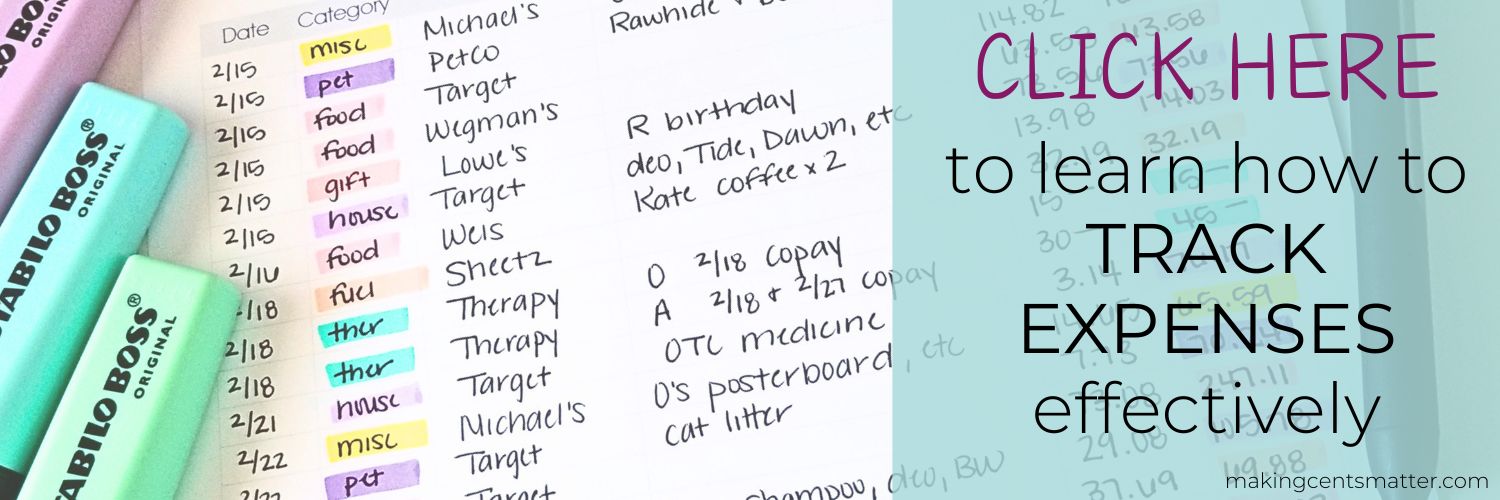
The first step to knowing where you stand is to start tracking your expenses for a week and see what you learn. Not only will this small step help to create confidence in your ability, but it is a first step into organizing your finances overall.
You’ll Have To Give Up Things You Enjoy
Budgeting isn’t about restriction or deprivation; your budget is about prioritization. You can still enjoy stops at a coffee shop and nights out with friends, but the key is that they are planned out in advance.
No matter what budgeting method you decide to use, make sure to include room for both your needs and wants.
Budgeting is Too Time-Consuming
While initially setting up your budget can be time-consuming, the truth is that once it is set up and you have a routine in place, your budget can take less than 30 minutes to maintain each week.
Make sure the process is simplified with either digital tools, like apps and spreadsheets, or printables. You can even create a budget binder to keep your documents organized.

How A Budget Helps You Achieve Financial Freedom
Financial freedom simply means that you have control over your money, rather than letting how much money is in your accounts control you. It is about having the ability to pay your bills on time, build up savings, and enjoy life on your terms without constantly worrying about money.
Here are five ways you can achieve financial freedom through budgeting:
- Tracks Your Progress by measuring how close you are to paying off a debt or reaching a savings goal.
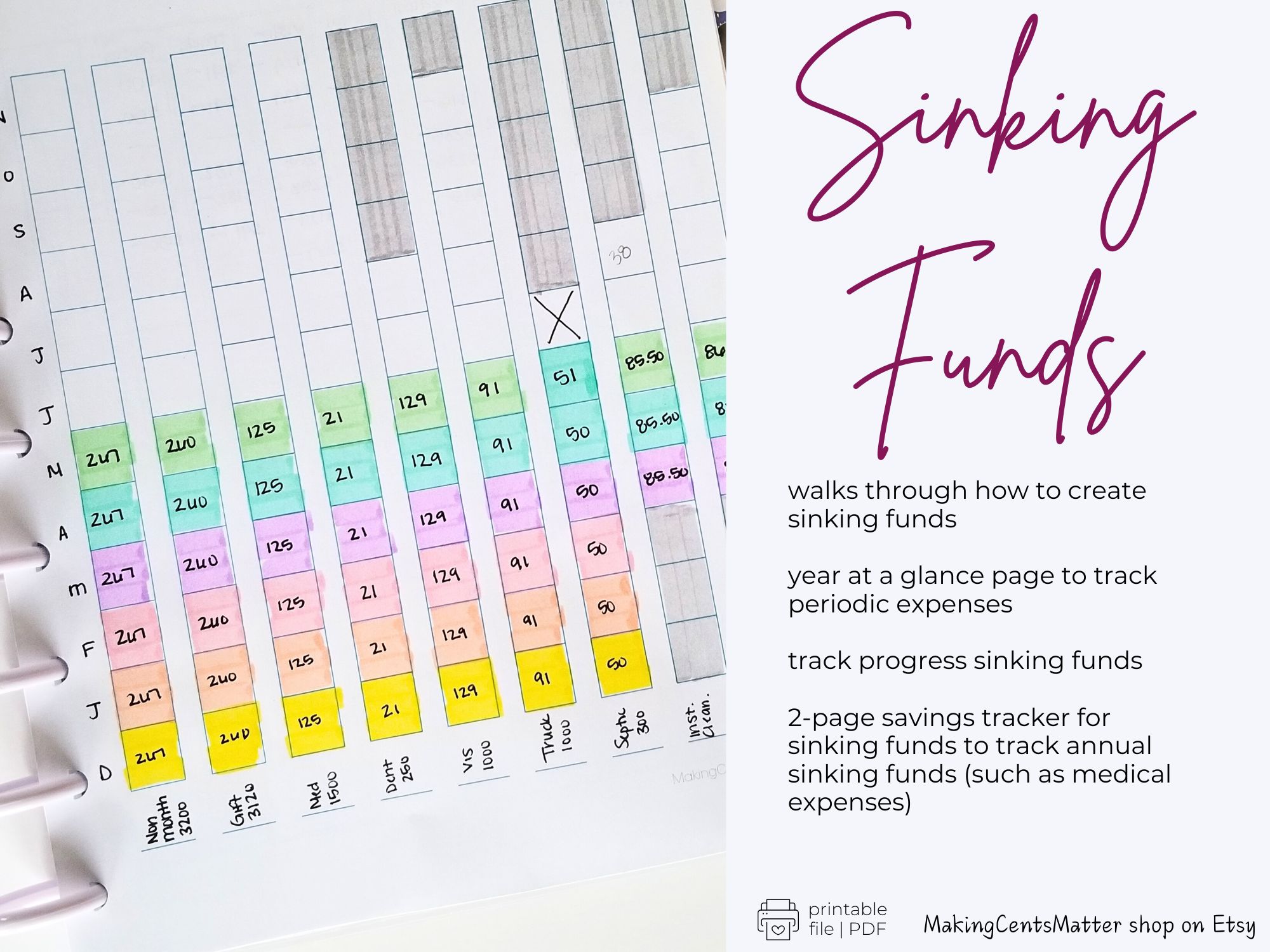
- Builds Savings for life’s curveballs, whether it’s through sinking funds for upcoming expenses or an emergency fund.
- Reduces Credit Reliance by planning for purchases rather than using credit cards to bridge the gap.
- Supports Intentional Spending through values-based decisions that are aligned with your long-term financial goals.
- Encourages Smart Habits like decreasing discretionary spending, and automating bill payments & savings contributions.
In the end, every financial win, whether it is big or small, adds up over time. When you remain consistent with your budget, it becomes a powerful tool for long-term financial health, stability, and freedom.
Start Small, And Dream Big
Taking control of your finances starts with one small step: creating a budget. It is not about being perfect, but being intentional. You don’t need any fancy apps, tools, or even a degree. You just need to be willing to take an honest look at your money and make a plan for it that reflects you.
As you start your budgeting journey, remember that everyone is a budgeting beginner at one point. Give yourself grace to make mistakes, and celebrate every win. You will be amazed at how much confidence, clarity, and peace of mind a budget can bring into your life.
Want To Dive Deeper? Check Out These Popular Posts:
- How To Conquer A No-Spend Challenge
- Your Complete Guide To Starting Sinking Funds
- How To Effectively Create A Percentage Budget
- How To Calculate Your Debt-to-Income Ratio


Leave a Reply