Learning how to budget your money effectively is one of the most important steps you can take toward financial freedom. Whether you are just starting with Budgeting 101 or you have been budgeting for years, when you set intentional budgeting goals, it helps keep your money aligned with your life priorities. The best part is that these 15 budgeting goals don’t require you to overhaul your budget overnight!
Budgeting Goals For Beginners
Whether you are completely new to budgeting or are just trying to get ideas to help get your budget back on track, these goals are ideal for you. These goals are meant to start small so that you can build confidence and momentum at the same time.
1 – Track Every Dollar For 30 Days
The most vital part of your budget is knowing where your money goes. Start by tracking your expenses – every single penny that is spent – for a full month.
This is not limited to strictly bills. It also includes groceries, fuel, coffee runs, and subscriptions. You can use a notebook, a spreadsheet, or my free printable expense tracker.
This goal is meant to give you a baseline of your actual expenses so that you can make accurate budgets and smarter spending choices moving forward. You can read more about how to effectively track your expenses here.

2 – Create A Basic Budget
Now that you’ve tracked your spending for a month, organize your expenses into categories. Examples include: groceries, household, pet care, personal spending, etc.
Create a basic zero-based budget with set spending limits on variable expenses based on what you can realistically afford. Remember, budgets are estimates and will vary each month. Your budget does not have to be perfect, it just needs to be functional.
Related Posts:
3 – Use A Calendar To Organize Your Finances
Utilizing a calendar helps you get familiar with your paydays, bill due dates, and other recurring expenses. This underrated approach provides an effective visual for what bills come from which paydays, and helps you to avoid missed payments.
Using a budget calendar can also make sure that you’re not overspending early within your pay period, making it ideal for people who are new to budgeting.

4 – Build a Mini Emergency Fund
Life happens, and unexpected bills come up. Creating a starter emergency fund of about $1,000 to $2,000 can help prevent you from utilizing credit cards when these surprise expenses come around.
Use small steps like canceling unused subscriptions or even selling unused items to build your fund faster.
Want to learn more: Read 8 Simple Steps To Creating An Emergency Fund
5 – Use Free Budget Printables To Stay Motivated
There are so many different ways to keep track of your budget. I prefer to keep a paper version of mine, since using a digital app creates an “out of sight, out of mind” issue within my own budget.
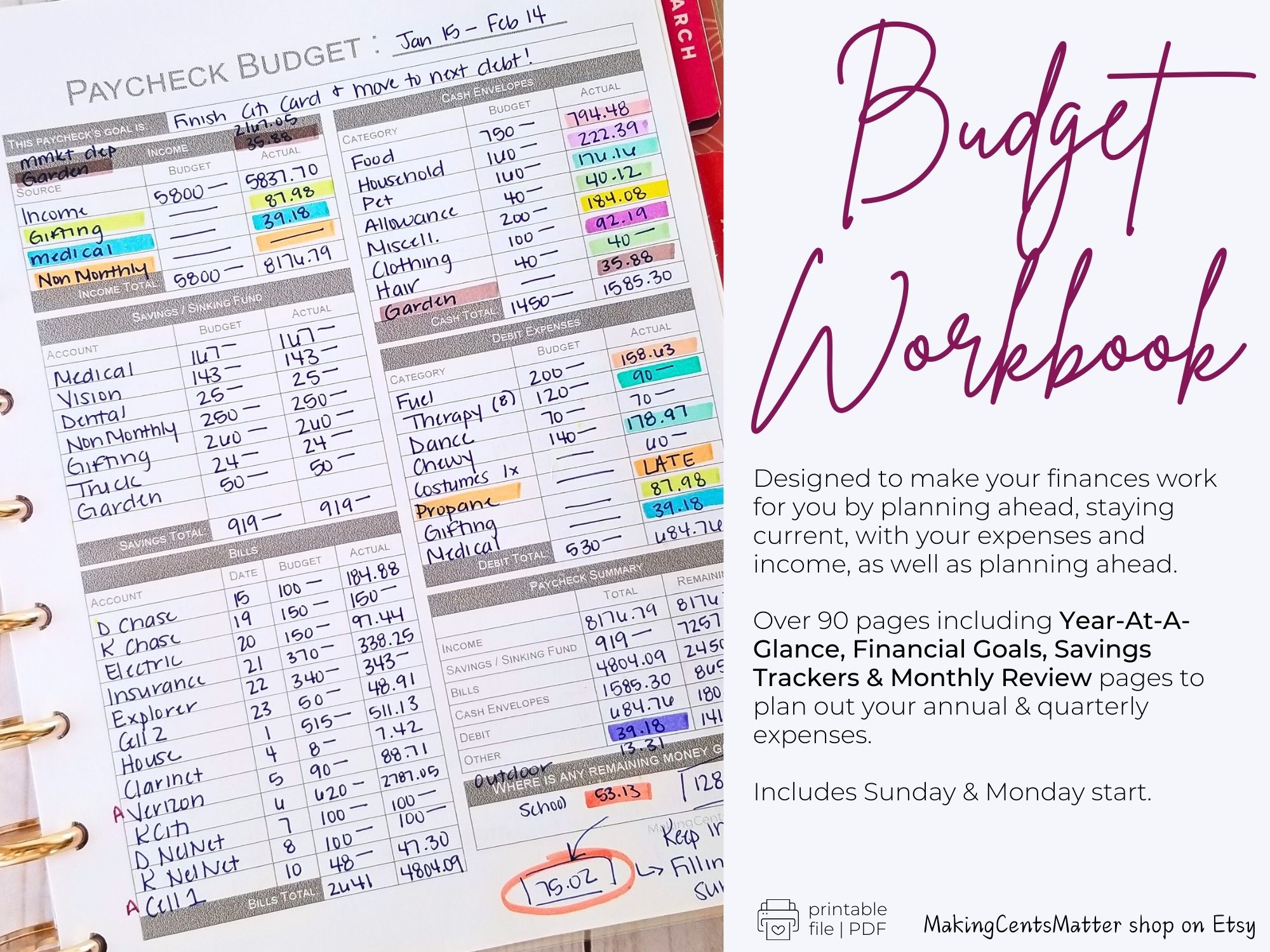
Whether you use the free printables in my Resource Library or other printables you’ve found over the years, keeping a physical copy of your budget helps you see the progress you make towards your goals. It helps to make your progress feel real and gives you that necessary boost of motivation in the early stages.
Intermediate Budgeting Goals
Now that you know about the basics of budgeting and have built some confidence, it is time to take things a step further. These goals will help you fine-tune your budgeting strategies and help with organizing finances.
1 – Start Sinking Funds
I believe that sinking funds are the MVP of your budget. They help you save for specific, planned future expenses like holiday gifting, car repairs, a vacation, or even annual health care expenses. The sinking fund helps you break these big costs into smaller and affordable monthly contributions, ensuring that you are ready when the expenses arrive.
Creating sinking funds is also a proactive, game-changing method that prevents unwanted budget failures.

2 – Pay Off High-Interest Debts
If you have balances on credit cards or loans with high interest rates, make it a goal to pay the balances down aggressively. Use the debt snowball or debt avalanche strategy to help you stay organized and efficient in your payoff plan.
Remember, every payment that you can make towards your high-interest debts is a step towards peace of mind and an increase in your financial health.
Related Posts:
3 – Conduct Monthly Budget Reviews
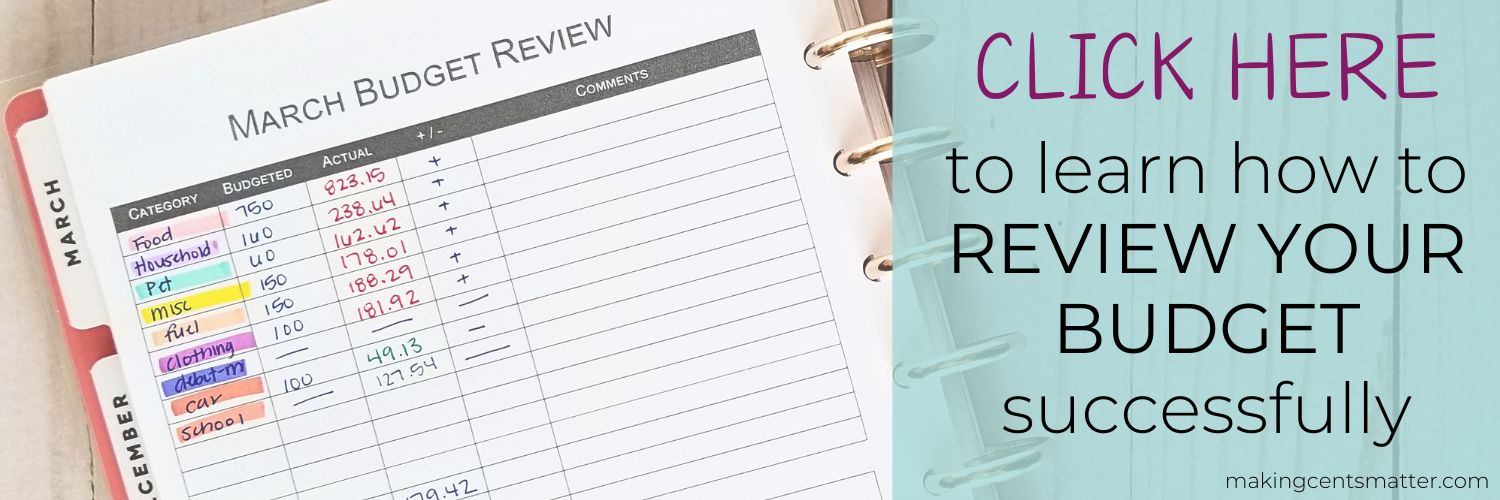
Monthly budget reviews are a MUST! When you set up your budget, it is simply a plan, or an estimation of where your money will go. However, life rarely goes to plan.
By comparing your planned budget to what was spent, and reflecting on why there were differences in what you estimated, you create long-term success within your finances. This doesn’t have to be a long and tedious process. I like to think of it as an honest assessment of where the money went and why, versus where I thought it would go when I set up the budget.
4 – Automate Your Budget Where You Can
Once you understand the nuances of your budget, make it easier for you to stick to! Set up automatic transfers to your savings accounts, schedule bill payments ahead of time, and have reminders for bills that are automatically paid.
Not only do these steps help save you time, but they also reduce the risk of overspending.
5 – Set A Specific Monthly Savings Goal
Choose a number that is realistic for your budget – whether it is $50 or $200 – and commit to saving that amount each month. Bonus points for naming your goal, either “vacation”, “home ownership”, or simply “peace of mind”, so that it creates excitement and momentum as you build the savings month after month.

Experienced Budgeting Goals
Feel like you’ve mastered the basics of budgeting? With the confidence and consistency that you’ve developed, you are ready to refine and elevate your budget even further. These next five goals will challenge you to get strategic and think long-term with your finances.
1 – Increase Your Emergency Fund to Cover 3 – 6 Months
Increase your original emergency fund to a fully funded one. Aim to cover at least 3 to 6 months of living expenses as a safety net for a sudden job loss, medical emergency, or any other unexpected life change.
Ideally, you would have paid off all your debts, making a month of expenses not as high as when multiple debt payments were going out each month.

2 – Align Your Budget With Your Core Values
Personal finances are exactly that – personal. Check in with your core values. Are your spending habits in line with them?
Whether you value freedom, family, generosity, community, health, or travel — be sure to adjust your budget to support a lifestyle that matters the most to you.
3 – Start Investing For The Future
Now that your emergency fund is fully funded and your debt is manageable, start investing extra money. Whether you want to learn more about IRAs, increasing your 401(k), or starting with index funds, just get started. You don’t have to be an expert before you begin; you just have to begin.
Investing is a long-term strategy that can make your money work for you!
4 – Plan an Annual Financial Overview
Remember that even once you are on the right track, do not lose sight of your full financial picture.
Take time once or twice a year to perform a financial snapshot. The overall view of your net worth, savings progress, retirement goals, and insurance coverages helps you make better financial decisions for your future.
5 – Share What You’ve Learned With Others
When you feel as though you’ve mastered your money, help someone else! Whether you are helping a teen learn the basics of budgets or a friend who is struggling to track their expenses, sharing what you have learned helps reinforce not only your own skills but also helps others who may not have been able to see the perspective you have.
What’s Your Next Budgeting Goal?
Whether you are just getting started or are experienced with budgets, there is always room to make your budget stronger. With the right goals and the right mindset, you can start small and make powerful financial habits with time. Whether you are inspired to download free budgeting printables, or map out an investment plan, I want you to remember this:
Small steps lead to big changes.
It is the core of Making Cents Matter. The small steps and changes you make along the way all add up to larger changes in the end.
Budgeting is not about restricting your spending; it is about estimating expenses on what matters the most to you!


Leave a Reply