Budgeting as a beginner often starts with good intentions, and next thing you know, there is a lot of guesswork, chaos, and forgotten due dates. Rather than feeling overwhelmed with your finances, create a visual way to take control of your money by learning how to create a finance binder.

Related Posts
- Beginner’s Guide To Financial Health
- Personal Finance Snapshot
- Beginner’s Guide To Budget Categories
What Is A Finance Binder?
A finance binder is a physical tool that you use to organize all aspects of your financial life. You can think of your budget binder as your go-to location for tracking your income, savings goals, debt repayments, as well as your expenses and monthly budgets. It houses all personal finance documents that you may need to help you stay on track.
Since your budget binder is specific to your finances, you can customize it with printables, checklists, calendars, and envelopes, as well as categorize various sections within your binder. While digital apps are popular, there is something very effective about having a physical system that you can flip through, reference, and update regularly. Your finance binder should help to decrease digital distractions and put your focus solely on your money.

Why You Need To Create A Budget Binder
Organizing your finances isn’t just about aesthetics; it is about taking control of your finances and improving your financial health. When everything is scattered across apps, email, and accounts, it can be hard to see where you really stand financially. A budget binder helps to create clarity and confidence within your budget.
Benefits Of Creating A Budget Binder
- Customizable to your unique financial needs and lifestyle.
- Always Accessible without needing to rely on internet access, apps, and passwords. This makes it ideal for individuals who want a low-tech and distraction-free way to manage their finances.
- Increases Accountability & Motivation. The physical act of writing things down makes them real. Whether you are filling in a debt repayment tracker or completing a no-spend challenge, having a physical written record helps keep you accountable.
- Tracking Progress Visually not only helps increase your motivation, but it also leads to fewer missed payments, overdraft fees, as well as late fees. When you visually see when things are due, you are less likely to fall behind.
- Assists in Achieving Goals with a dedicated space to visualize your goals and track your progress. Your budget binder can be used to help plan for emergencies, vacations, holidays, or even large purchases.
In the end, the biggest benefit of creating a finance binder is improving your overall financial management habits. With a structured system in place, it becomes much easier to manage & update your bills, budget, and savings plans with intention.
Drawbacks Of Using A Finance Binder
- Portability of your budget binder is not as easy as an app, meaning you will need to use it while you are at home.
- Paper-based system requires physical storage space, and can get bulky over time.
- Time-Consuming to set up if you don’t already have a system in place. Also, putting in the time to maintain your budget binder may seem daunting as you create a routine that works for you.
Because the benefits of organizing your budget in a binder often outweigh the drawbacks, many people find that organizing their finances in a binder is effective, especially while learning how to manage their finances.
How To Create A Finance Binder
Below is a step-by-step tutorial on how to create a budget binder. Since how you organize your finances is entirely up to you, some of this information you may not have, or even need, within your binder. What matters is that your finance binder is set up to work for you.
1 – Gather Your Supplies
For your budget binder, you will need:
- A 3-ring binder* – 1.5″ to 2″ is usually enough
- Color Coded Dividers* – easily identify sections; pockets are a plus
- Plastic Sleeves*
- Hole Punch* – a heavy-duty one makes it easier
- Notebook* or Printer Paper*
- Budget Printables
- Pens, Pencils & Highlighters*
2 – Collect All Your Financial Information
Gather all the necessary financial documents you have. This can include:
- Income: Pay stubs, tax documents
- Bills & Receipts: Collect recent mortgage/rent receipts, utility bills, and any other recurring monthly expenses.
- Bank Statements: Recent bank statements for checking, savings, and other bank accounts
- Credit Card Statements: Statements to track credit card spending, payments, and current balances.
- Loan Agreements: All loan documents, including student loans, car loans, mortgages, and personal loan agreements.

3 – Determine Your Sections
Divide your binder into categories, or sections, that make sense to you and reflect what your financial priorities are. Here are some common finance binder sections:
-
- Monthly Budget / Current Budget – track your income, fixed & variable budget categories, and savings goals.
- Finance Calendar – annual and monthly calendars to note paydays, due dates, tax deadlines, routine review & check-ins, and financial milestones.
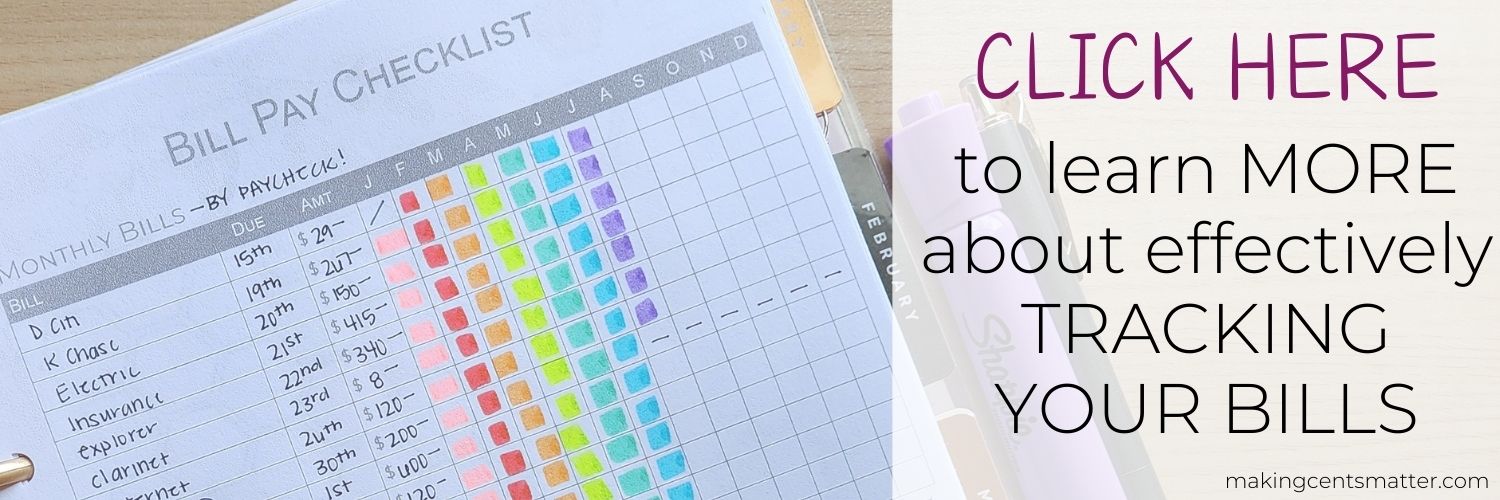
- Bill Tracker – log recurring bill amounts, due dates, payment methods, and confirmation information
- Expenses – use daily or weekly logs to track every purchase to identify spending patterns & stay in budget.
- Savings Goals – define your short-term and long-term goals for emergency funds & sinking funds, and include trackers to visualize progress
- Debt Repayments – documents for the creditor, balances owed, minimum payments, and interest rates, as well as tracking payments and progress made.
- Receipts & Statements – use plastic sleeves or envelopes to store important statements and receipts, sorted by month and category, all in one place for easy access.
- Miscellaneous – any other reminders, notes, tips, or financial information that you may need to access while managing your budget.

4 – Organize Each Section of Your Budget Binder
After you’ve determined what sections you need in your finance binder, it is time to organize each section and add in any printables you may need. You can use pre-made budgeting printables or make your own!
Look for printables that include:
- Budgeting Printables for your budget method
- Savings Trackers
- Bill Payment Logs
- Debt Payoff Charts
- Expense Tracking Logs
Be sure to use printables that are easy to read, use, and fit your budgeting style. It is your system, and it needs to work for you in order to be effective.
5 – Be Sure To Use Dividers & Labels To Customize
Using dividers between each section you’ve designated makes your budget binder effortless to navigate. Color-coded dividers with pockets are great for this!
It also makes it easy to add more sections or categories that are specific to your financial situation that you may not have thought of when you initially set up your binder.
Also, don’t be afraid to decorate and personalize your finance binder to make it more engaging and appealing to use.
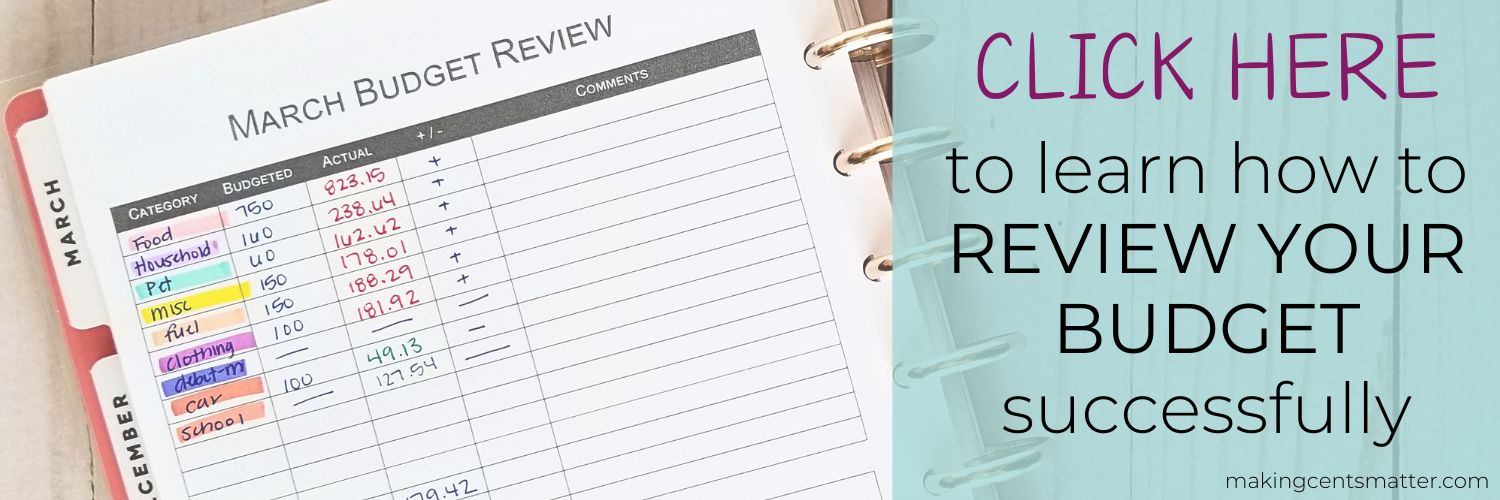
6 – Remember To Regularly Review & Update
Your budget binder is only useful if it is used regularly as part of a routine. Set aside time each week, or every other week, to:
-
- Review your current budget, and adjust as needed
- Update expenses
- Update savings and debt payoff trackers
- File any new receipts, bills, or statements.
At the end of every month, review your overall budget and make any necessary adjustments that are needed not only for your finances, but also for your binder. Flexibility and consistency are key when it comes to effective finance management.
Additional Tips For Your Budget Binder
If you need to reference something in your finance binder quickly, creating an index or a table of contents for the front of your binder is helpful.
Some documents may need to be updated annually, like insurance documents. Creating a checklist of documents that are updated annually or semi-annually helps ensure that nothing is out of date or missed.
You may also want a pen case of your favorite pens, pencils, and highlighters with your binder at all times, along with a calculator. This helps to avoid procrastination by not having all the materials available for your budget review.
Finally, if you prefer to have important documents digitally, you can use some digital apps or software that can keep your important documents securely on an external drive. Using this method in conjunction with your finance binder helps with upkeep and reduces physical clutter. The drawback is that you’ve now created digital clutter, which can be harder to efficiently manage.
Improve Your Financial Health Through Organization
Your finance binder is more than just a collection of paper; it is a powerful tool that has the capability to transform your personal finance habits. When your finances are organized in a clear, tangible way, you will gain confidence, clarity, and control of your money.
Whether you are new to budgeting or have been managing finances for a while, creating a budget binder makes financial management much more convenient. As you consistently use your binder, you create a strong foundation of habits that help you save money, achieve your goals, and improve your overall financial health.
Ready to take control of your finances? Start organizing your finances by creating your budget binder today.


Leave a Reply