
Many people associate creating a budget with stress and sacrifice. You may even think that creating a budget means that you need to track every penny and constantly tell yourself “no” to things that you enjoy. What if I told you that financial management isn’t about restriction, but freedom? Creating a budget is about taking control of your money, so that your money doesn’t control you. Whether you are new to finances or you’ve tried budgeting before, this is about showing you how a budget is the key to financial freedom.
Related Posts:
- How To Create A Positive Relationship With Money
- 10 Budgeting Habits For Beginners
- Your Personal Goals Are Affecting Your Finances
Let’s Start WIth WHat A Budget Is
Many people avoid budgeting because they believe it needs to be complex. Then overwhelm and chaos kick in, further enabling them to avoid looking at their finances. The truth is that a budget is simple and flexible, rather than rigid and punishing. Your budget is a personalized tool where you give every dollar a job. Those jobs can be spending, saving, or even managing your income to achieve certain financial goals.
By definition, a budget is an estimate of your income and expenses for a set period of time.
Think of your budget like a GPS, but for your finances. It helps you get from where you are to where you want to be, without getting sidetracked or lost. An effective budget helps you navigate your income and expenses to show what you prioritize in your life. The overall goal for creating a budget is to have a clear picture of where your money is going for you to make intentional spending choices.

Why You Need To Create A Budget
You may have the belief that since you pay your bills on time and are getting by, should you even bother to create a budget?
The answer is yes, for one simple reason: “getting by” is not the same as thriving when it comes to your finances.
Without a budget, it is incredibly easy to lose track of your spending, miss out on savings opportunities, and inevitably delay your long-term goals. Your budget helps you to:
-
- Align your spending with what you value
- Help to prioritize your needs over your wants
- Understand where your money is going
- Identify areas where overspending occurs
- Prepare for emergencies
Beyond that, creating a budget helps to break the cycle of living paycheck-to-paycheck. Starting to save money, build wealth, and work towards financial freedom all start with creating a budget.
How Budgets Give More Control, Not Less
A very common myth is that a budget is restrictive. The reality is that a budget is very freeing. Here are some realistic ways that a budget reduces restrictions and helps create growth.
1 – You Tell Your Money Where To Go
Rather than wondering where your money went throughout the month, you decide in advance how your income will be used. That type of control is empowering.
2 – You Can Frequently Say “Yes” To Opportunities
When you have decided in advance how your money will be spent, you can say “yes” to opportunities without feeling guilty or worrying about how you will pay for it. This isn’t restriction or deprivation; it’s prioritization.
3 – You Eliminate The Guesswork & Regret
Emotional and impulsive spending leads to guilt and regret. When you designate where your money goes, and your spending is aligned with what you value, you have confidence that your spending is intentional.
4 – Your Budget Prioritizes Your Goals
Whether it is saving for a down payment on a home or paying off your student loans, allocating funds to your financial goals can create reality from your dreams.
5 – You Decrease Your Stress Surrounding Money
With a budget that is aligned with your values and knowing where every dollar is going, you don’t have to be afraid of how you will pay for unexpected expenses. You will have the confidence and clarity to be able to adjust your budget as your life changes.

Examples Of How Budgets Help You Succeed
Budgets are crucial for your financial future. Most people don’t like to budget because it can take time away from what they think they want right now. Here are three examples of how a budget can help you succeed.
- Emergency Fund: We’ve all had that one car repair come up that can wipe out our entire checking account. Rather than waiting for that repair to happen, you could set aside $100 a month in an emergency fund. Ten months later, you have an $800 car repair, but you already have $1,000 in your emergency fund. That is enough to repair your car without going into debt.
- Debt-Free Journey: Juggling credit card payments, car loans, and student loans with no real plan can be discouraging. Creating a zero-based budget, using cash envelopes, and tracking every expense can help you prioritize your debt payments. Imagine what you could save up for with all the money you are spending on your debt!
- Travel Fund: If you want to travel, and tell yourself that you can’t afford it, try tracking your spending first. You may have a lot of unnecessary expenses each month that can be cut out. Instead, put the funds into a savings account designated for travel, and see how far you can go.
Need help tracking your spending before you build a budget?
Check Out: [How To Effectively Track Your Expenses].
Life-Changing Benefits of Budgets
I hope by now you can see that creating a budget doesn’t mean restriction; it has the potential to create life-changing experiences. Here are some life-changing benefits that creating a budget can offer you.
Increases Financial Awareness
Budgeting forces you to take an honest look at where your money is going. Having an awareness of your finances is the first step to creating lasting change.
Saving Money Becomes Automatic
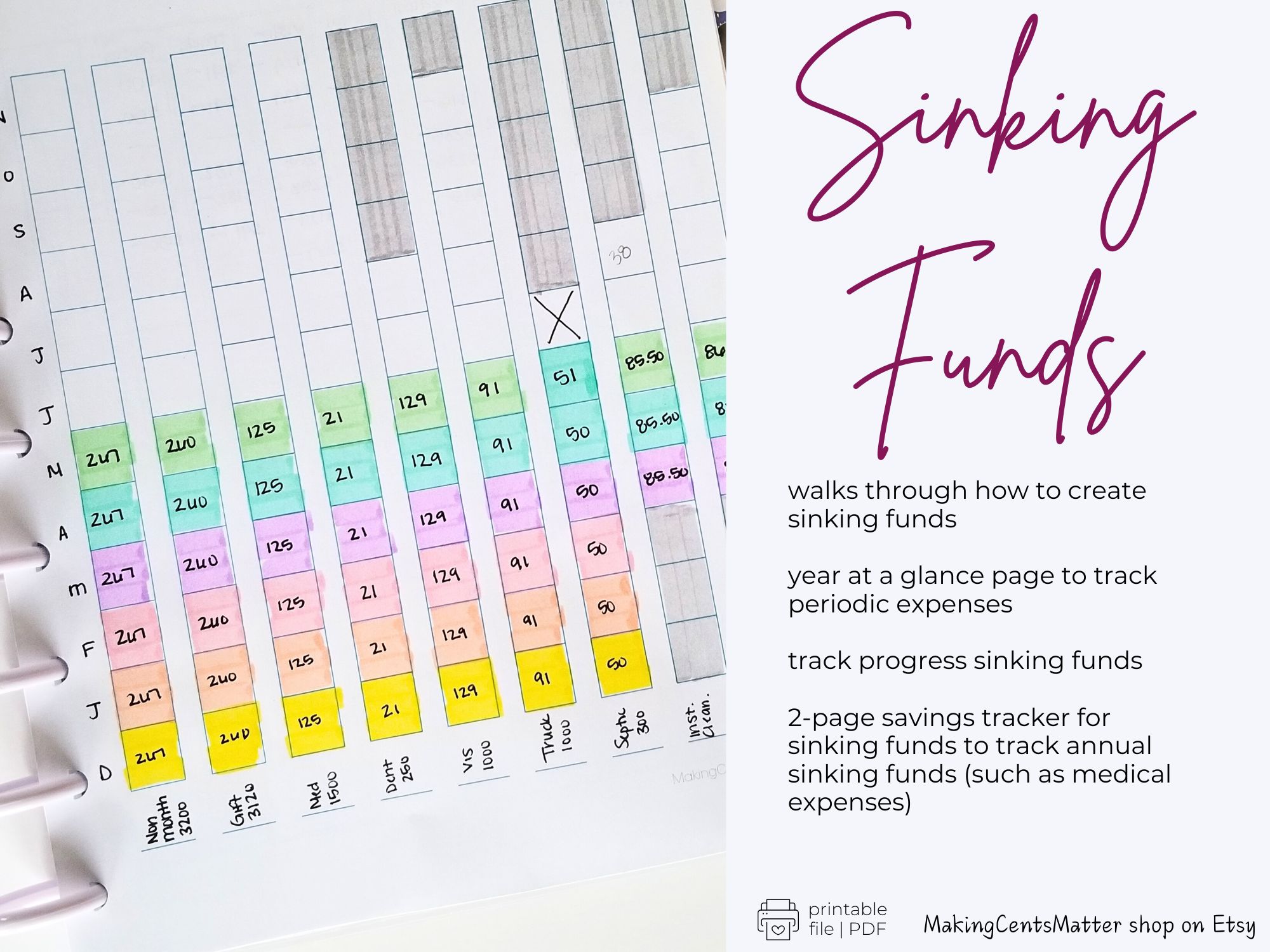
When savings are built into your budget, you are more likely to follow through. You can even automate transfers to savings accounts, sinking funds, and emergency funds to make it even easier.
Encourages Long-Term Financial Goals
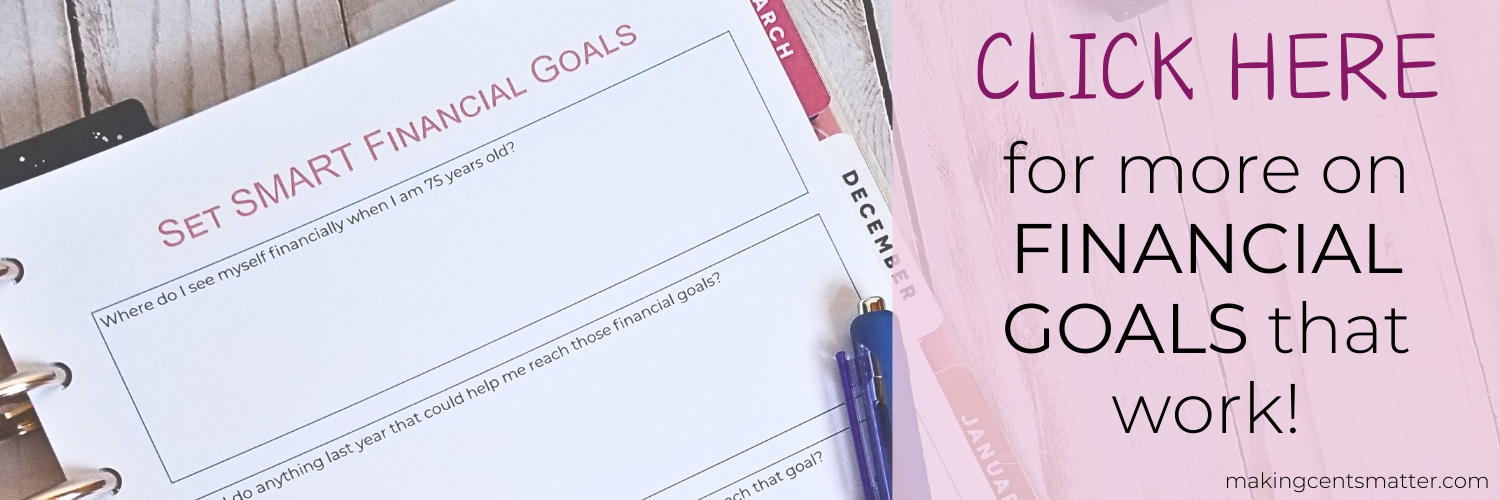
Whether you want to start a business, retire early, or buy a home, budgeting is where you need to start. It creates the steps you will need to follow to get there by allocating money towards those dreams.
Supports Healthy Money Habits
By creating a budget, you think before you spend. Over time, this develops into healthier financial habits like planning for larger purchases, avoiding debt, and being intentional with your spending.
Improves Your Overall Financial Health
When your budget is regularly updated, reviewed, and well-maintained, your stress surrounding finances decreases. This helps increase your overall satisfaction with how you are managing your finances and how prepared you are for unexpected expenses.
When you are planning rather than reacting, you are in control of your financial future.
Still Feel Overwhelmed With Budgets? Start Here:
I understand how all of this can feel overwhelming, and that’s okay.
Simply take a deep breath and start. Your budget will never be perfect; you just need to start.
Your first budget will be messy, and that is okay.
Inevitably, you will forget things, and you will probably overspend. But every time you plan out your expenses, you are building a skill that will help you.
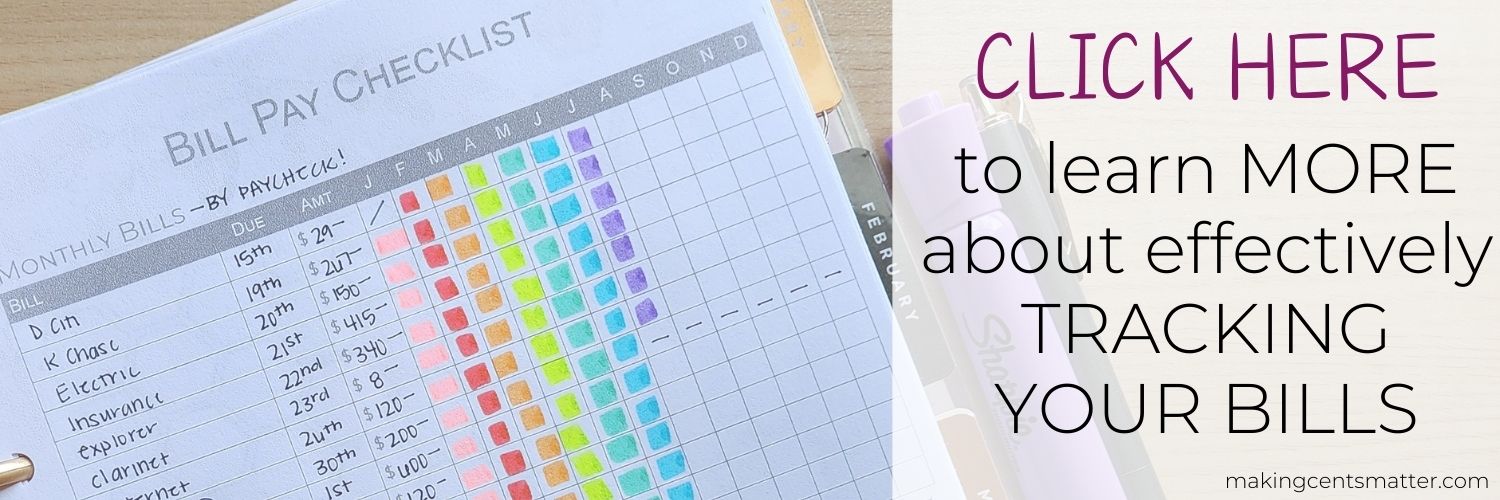
Start small. That can mean taking a week to track your expenses. Or list out all your bills throughout the month on a bill-pay checklist. Maybe you want to pick one small money goal to work on over the next 30 days.
It doesn’t matter where you start, just start. Keep making progress towards your goals.
Want To Dive Deeper? Check Out These Posts?
- Lessons You Can Learn From A Failed Budget
- 9 Simple Steps To Help Get Out Of Debt
- How To Choose A Budgeting Method That Works For You
- Beginner’s Guide To Financial Health


Leave a Reply