Do you often avoid setting up a budget? Feel anxious when you check your bank account balance? Or do you feel like unexpected finances are always in control, leaving you little room for what matters to you? When most people talk about financial successes, the numbers are what get the focus. Too much time is spent believing that if there were more income, less debt, and more in the savings account, then things would be much better. The problem with this style of thinking is the belief that finances are out of your control. When you begin to transform your mindset, you begin to create a positive relationship with money.

Related Posts:
How Do You View Your Finances?
Take a moment to think about how you currently view money. Be honest with yourself. Do you feel at peace or conflicted? What about confident or anxious? Does the thought of setting up a budget leave you feeling overwhelmed or excited? Do you feel like you are prepared for any unexpected expenses, or do you feel like you are uncertain how even a small unexpected expense could be covered?
In Permission To Feel*, it’s noted that our emotions play an essential role in our thought processes, judgments, and behaviors. Your emotions help to give you purpose, priority, and focus to your thinking, along with helping to motivate you into action.
Your emotions can affect:
-
- attention span
- memory
- learning
- creativity
- relationships
- health
- decision making
Our emotions can affect us more than we would like to think. Each aspect listed above affects personal finance management in some way, shape, or form. Combine this with the fact that most people view financial management as something that is strictly rules-based, there are many people out there who don’t acknowledge how they feel about their finances.
In the end, it is best to view your emotions as a tool that provides information so you can achieve your life goals.

What is A Positive Relationship With Money?
Having a positive relationship with money is one of the core ideas behind financial health. Remember, your financial health isn’t just about the numbers. It’s also about how satisfied you are with your current finances.
When you have a positive relationship with money, it simply means that you feel confident, in control, and intentional with your financial decisions. You have a healthy mindset that money is a tool, and you are aware it is not a source of shame, fear, avoidance, or stress.
A positive mindset with your finances also means that you are clear on your values, income, and expenses. When you set up your budget, it has a meaningful purpose. You save consistently, and align your expenses with what means the most to you. In short, a positive relationship with your finances is all about balance.
A positive relationship with money is not about how much money you have, but about how you feel and behave around money.

Why You Need To Shift Your Money Mindset?
Nothing is worse than feeling like you are stuck in the same cycle, especially when that cycle is filled with stress, shame, and avoidance. Increased stress levels, strained relationships, and impaired decision-making affect not only your life goals, but your self-worth takes a huge hit as well. When you feel like your finances are stagnant, it is hard to truly believe that you will go anywhere.
When you don’t have a healthy view of money, you might:
-
- Avoid setting up a budget because it feels overwhelming
- Neglect tracking your expenses because you feel guilty that you’ve spent money impulsively
- Struggle to find a life-budget balance because it feels confusing or restricting
- Believe you are simply “bad at saving”, so you avoid learning strategies to improve
As you shift your financial mindset to a positive one, things start to change. You may:
-
- No longer fear money, but now view it as a tool that supports your lifestyle
- Make choices based on personal values and goals, rather than survival
- Create habits that increase your confidence
- Stay motivated to budget, save, and improve your financial health.
What Does A Healthy View Of Money Look Like?
Most people think that having a positive relationship with your finances means that you don’t make mistakes.. The truth couldn’t be further. A healthy financial relationship looks at both habits and mindset.
When you are proactive about your budgeting, resilient to challenges, and respond to changes rather than react, you have a healthy relationship.
- Understanding & Acknowledgement: Finances are never cut and dry. When you acknowledge and understand how money makes you feel, you can take control of the narrative again.
- Your Budget Fits Your Life: A budget isn’t about restriction; it’s about freedom. Your budget is an estimate of how you will meet your financial needs, wants, and goals with the money you have. Make sure that your budget fits your life, not the trends.
- Regular Financial Reviews: Rather than avoiding your bank statements, you regularly set aside time, either weekly or monthly, to review your spending.
- Values-Based Spending: By spending intentionally and in line with your core beliefs, you are making genuine choices that reflect what is most important to you. This is much healthier than chasing the next big thing and impulsively spending due to FOMO.
- Prioritize Saving Money: Whether you have a small emergency fund or a long-term savings goal, you understand the benefit of having a safety net in place.
- Awareness & Empowerment: It is okay to feel guilty about past mistakes, but not to dwell on them. When you replace feeling guilty with responsibility and curiosity, you are making room for growth. Compassion and a commitment to learning are key to supporting your overall financial health.
Steps To Create A Positive Relationship WIth MOney
Taking the steps to improve how you view personal finances won’t happen overnight. But consistent steps can help with lasting change. Here are some steps you can take to begin having a positive relationship with money.
1 – Take Time To Reflect On Your Money Mindset
When you reflect on your experiences, you start to understand yourself better. Learning from mistakes is a huge part of goal setting, but also of making better-informed decisions.
Take time to have an honest reflection on your beliefs about money, as well as your spending and saving habits. What did you learn as a child, either in your family or through culture? How do you feel when it comes to your budget?
2 – Start Organizing Your Finances
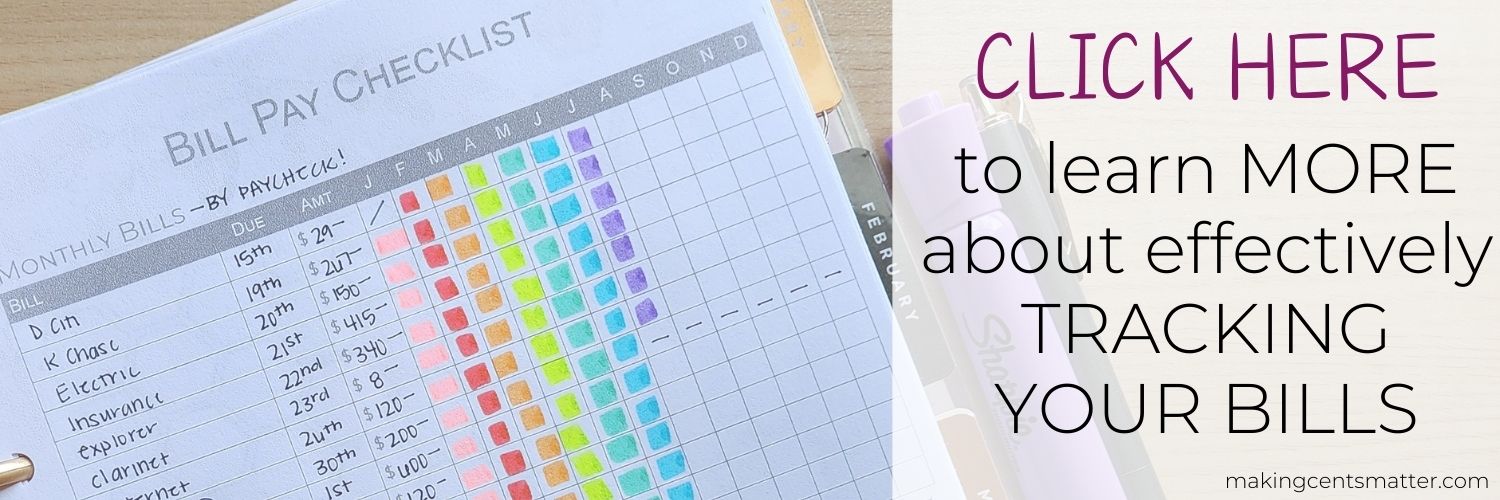
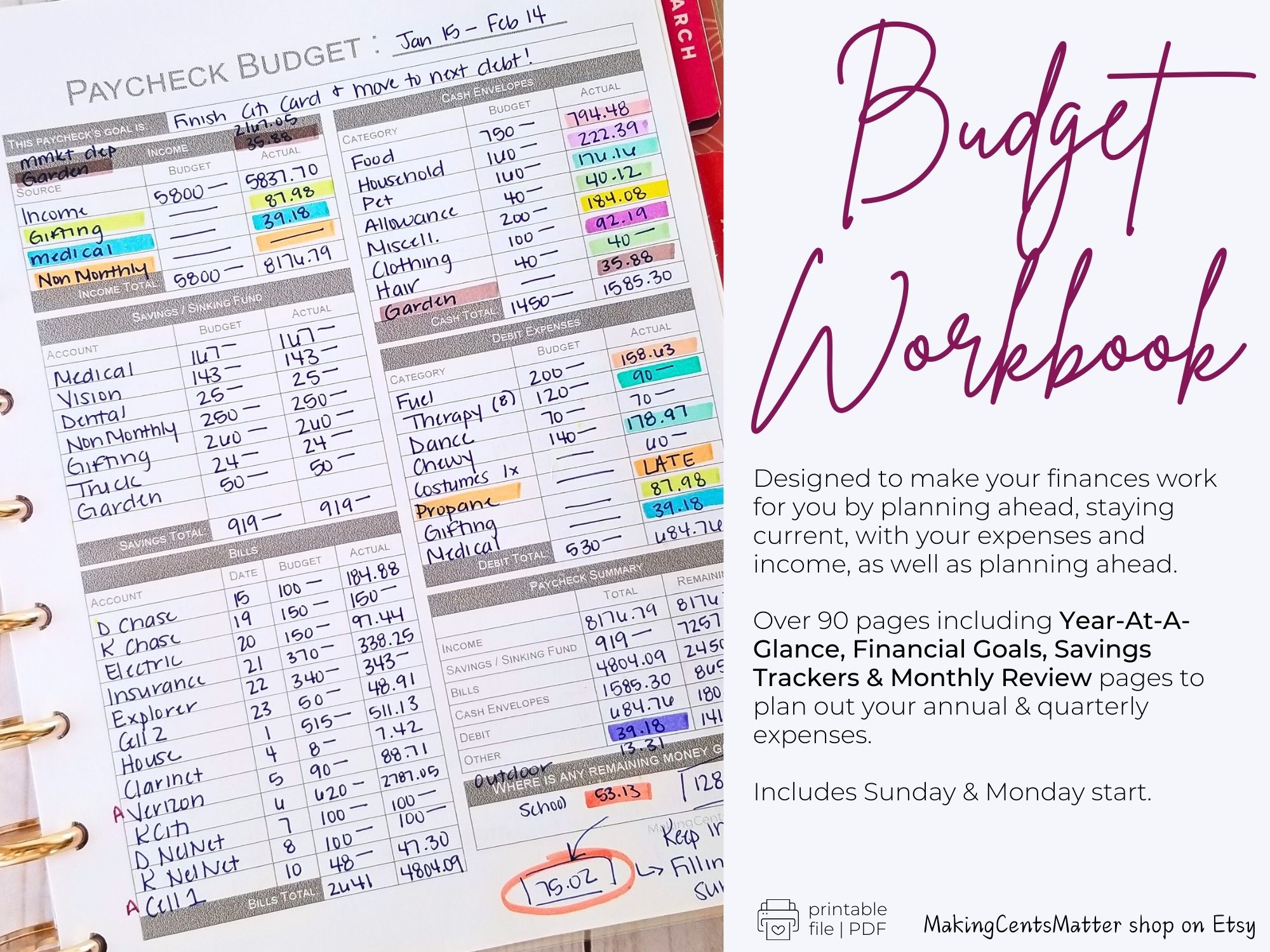
Having a system in place to track your income, expenses, savings, and debts helps you remain consistent when it comes to your finances. When you are consistent with a budget routine, your confidence around how you are handling your budget also improves.
If you are truly serious about creating a positive relationship with finances, consistency is key to remaining dedicated to that goal.
3 – Use A Budgeting Strategy That Works For You
There are so many budgeting strategies out there that it can feel overwhelming at times. Choose a budgeting method that reflects your current season of life.
I like the zero-based budget method because it is the most flexible to any pay schedule, but many people prefer a percentage budget, or to automate their finances entirely and use a weekly cash flow plan.
4 – Set Realistic Financial Goals
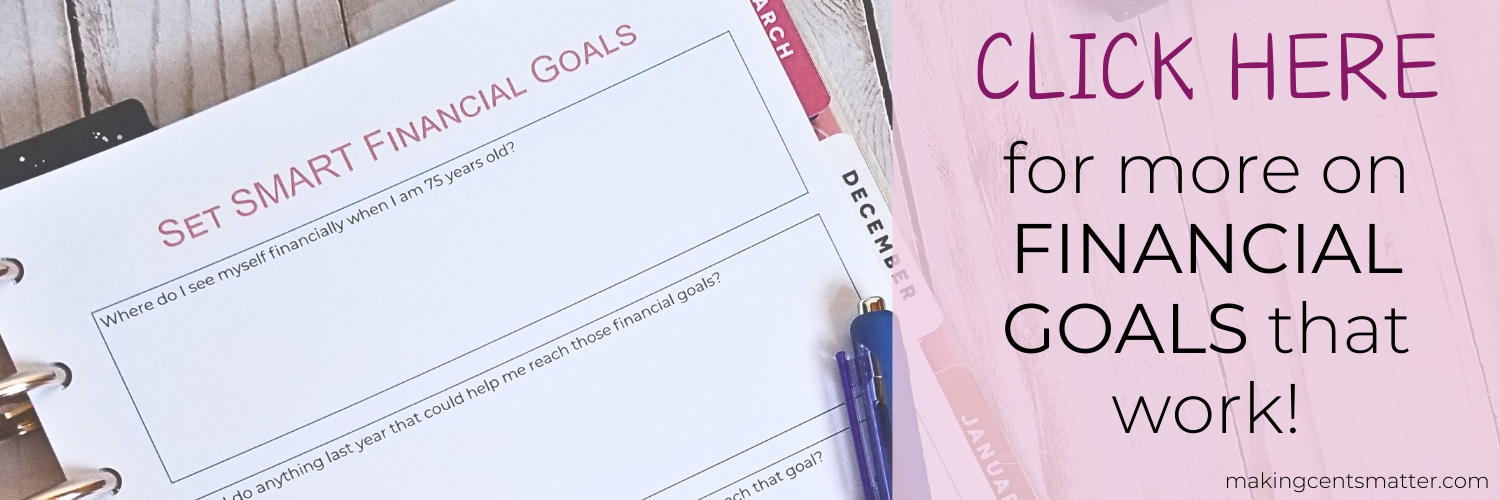
To help change how you view money, start setting some short-term savings goals, like setting $500 aside in an emergency fund.
As you gain confidence in your strategy, you can add in some long-term goals, such as saving for a down payment or setting up a retirement plan.
5 – Automate Where You Can
Whether it is $10 a week or $100 a month added to a savings account, automating your finances helps to build momentum. A bonus is that it helps to remove the stress of remembering to set money aside when life gets busy.
6 – Celebrate Progress
Celebrate your progress, both big and small. Whether you stick to your grocery budget, say no to an impulse buy, or hit a large savings milestone, acknowledge your win! Each win helps to reinforce the positive changes in habits you are making, as well as changing your beliefs on how you view finances.
7 – Continue To Give Yourself Grace
Changing how you’ve viewed your finances is going to be a journey. You cannot expect to change something quickly that has been part of you for decades.
Mistakes will happen. Use them as learning opportunities to reflect on, give yourself some grace, and move forward. Mistakes don’t define your future.

Time To Rewrite Your Story
Having a positive relationship with your finances is not about having your entire financial life figured out. It is about the willingness to understand your emotions around finances, learn from them, and ultimately to grow and take control of your financial journey. Changing your beliefs about money leads to improved financial health, stability within your own finances, and an overall sense of financial well-being. It is not about having more money and less debt; it is about feeling in control, confident, and in line with your values when you are making financial decisions.
When your finances are organized, your budget supports your values, and you are saving money for your future self, you’ve created a positive relationship with your finances. You have made your money not only about confidence but also about caring for yourself.


Leave a Reply