When it comes to organizing your finances and budget, nothing can be more powerful than using a visual system like a simple calendar. By integrating a budget calendar into your financial routine, you can turn uncertainty and guesswork into clarity and structure. If you are looking for an easy budgeting tip for beginners, using a calendar helps simplify your process and keeps you on track month after month.
Related Posts
- How To Organize Your Finances With A Bill-Pay Checklist
- 10 Budgeting Habits For Beginners
- How To Effectively Track Your Expenses
15 Ways Using A Budget Calendar Helps With Organizing Finances
Whether you’re using a paper planner, a digital calendar app, or even a printable monthly calendar layout on your fridge, using a calendar serves as a visual hub for your financial strategies. Here are 15 simple, creative, and practical ways to use a calendar to help you gain control over your finances and elevate your budgeting routine.
Want To Learn How To Use A Budget Calendar? Check Out: [How To Start Using a Budget Calendar].
1 – Track Paydays
Marking your paydays down on a calendar helps you align income and expenses. This prevents overspending between pay periods and allows for smarter planning around your fixed and variable costs. Tracking your paydays is one foundational step to help you effectively organize your finances.
2 – Use Color Coding & Stickers
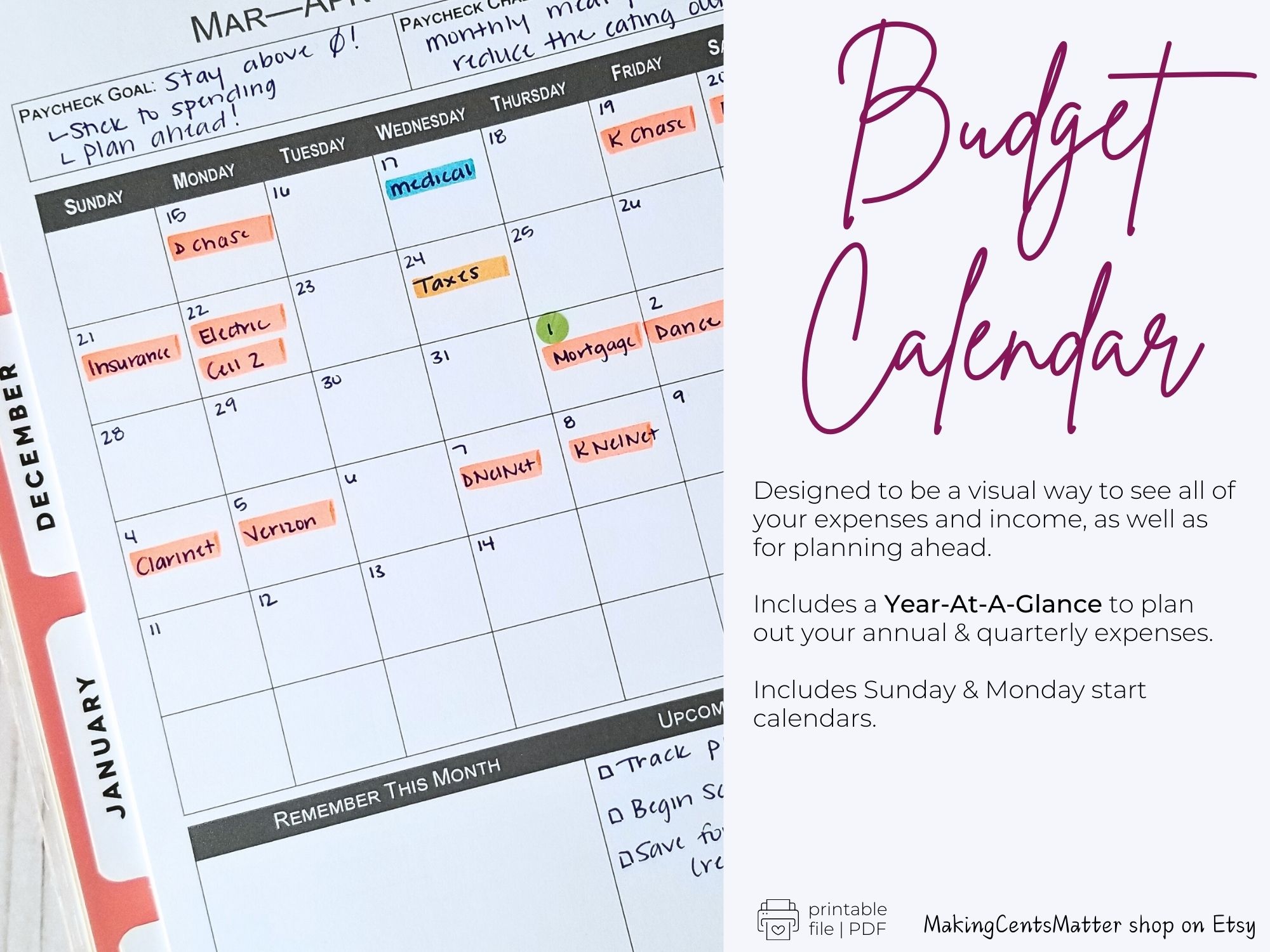
Assigning different colors to income, bills, savings, and spending categories makes your budget much more visual and easy to understand at a glance. Color coding with highlighters* can even enhance visibility, increase clarity, and reduce stress. You can even add stickers* to your budget calendar as visual cues to make key dates easier to spot at a glance.
3 – Visualize Bill Due Dates
By marking all your recurring bill due dates on your calendar, you are certain that you won’t miss a payment! You certainly feel in control of your finances when your risk of late fees is reduced, and you’re protecting your credit score.
4 – Plan Weekly Money Check-Ins
Blocking out 15 to 30 minutes each week for a money check-in. Use the time to log your expenses from the week, adjust your budget, and review your upcoming bills. Consistency is key, which helps make budgeting easy and manageable for beginners.
5 – Highlight Subscription Renewals
Have you ever signed up for a free trial and then forgotten to cancel it? I have. Many people lose money on subscriptions that they have forgotten. Instead, add all your monthly or annual renewal dates to your calendar to help you evaluate whether you still need the service or not. This small act can help you save hundreds over the year, and help tighten up your budget.
6 – Schedule No-Spend Days
Mark specific days of the month as no-spend days to help curb any impulse buying. These intentional breaks from spending help you build better financial habits that can help stretch your budget further. Use cute stickers or icons to help them stand out on your calendar!
7 – Note Savings Transfer Dates
Add reminders to transfer money to your savings account and sinking funds. Whether it’s weekly, bi-weekly, or monthly, having a scheduled time to make the transfers reduces the chance that you will forget about it. Being consistent about the transfer also helps support your long-term financial goals.
8 – Create Spending Categories For Each Week
Divide your monthly spending into weekly expense categories! This can help you break your monthly budget down into smaller and more manageable chunks and prevent overspending in certain categories early in your month. Dividing your budget into weekly themes also helps keep your real-time finances flexible.
9 – Log Daily Spending
Using your budget calendar to note daily expenses is a really simple and visual way to track your expenses. Not only does this habit increase your awareness and spending patterns, but you can also identify areas, or days, when you need to cut back on spending. Logging daily spending on a budget calendar is also a great tactic for beginners who want to understand their spending habits better.
10 – Mark Financial Goal Milestones
Break your big savings goals into smaller steps, and assign the due dates for each step on your calendar. Watching your progress unfold helps keep you accountable and motivated. It also helps to make larger financial goals feel less overwhelming and more achievable and tangible.

11 – Plan For Irregular Expenses
Use your budget calendar to map out upcoming one-time, annual, or seasonal expenses. This can include birthdays, holidays, car maintenance, and school fees. By adding these to your budget calendar, you can prepare ahead of time by creating sinking funds to avoid any financial surprises. Being proactive is essential to effectively organizing your finances.
12 – Schedule Budget Planning Sessions
Add your budget planning sessions to your calendar as if it were a recurring appointment with your future financial self. This habit ensures that your budget reflects your goals, any upcoming expenses, and can reflect any necessary changes.
In order to schedule your sessions, you need to pick a time to sit down and plan out your next budget. If you use the half-payment budget method and are paid every other Friday, schedule time on Wednesday or Thursday before your payday. I use a zero-based budget on a monthly income, paid on the 15th. I sit down and plan out the budget on the 12th or 13th of each month.
13 – Set Debt Payment Reminders
Use your calendar to schedule any extra debt payments or note dates when major progress is made while you are working on paying off your debt. Celebrating milestones like paying off your credit card can help keep your motivation high while you visually track your progress on your budget calendar.
14 – Block Time Each Week For Deal Research
Schedule a specific time each week to look for coupons, cash-back offers, or even grocery deals that will help you save money on what you already need. Making this a habit helps you save money without scrambling at the last minute in the checkout line, and can turn saving into a beneficial system rather than an afterthought.
15 – Align Financial Dates With Life Events
Use your calendar to line up your financial plans with life events, like vacations, back-to-school, or even home projects. When you plan your finances around these events, you avoid any last-minute overspending and panic. Integrating your finances into your planned events helps make your budget more realistic.
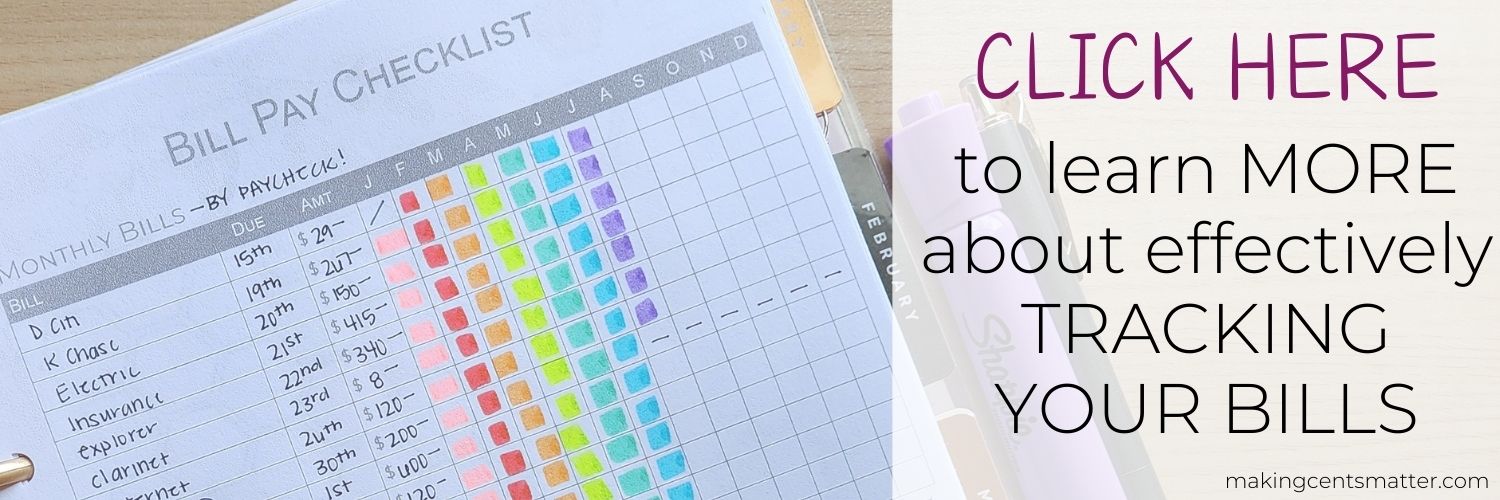
Utilize Your Calendar To Support Your Budget Goals
While using a calendar to help support your budgeting seems like a really simple strategy, it is actually one of the most powerful tools for organizing your finances. Whether you are a visual planner or someone who thrives on structure, using a budget calendar in your routine can help transform the way you approach your finances. It helps you stay proactive, reduce your stress, and adds consistency to your financial routine.
Ready to take your budgeting to the next level? Start using your calendar as a dashboard for your finances today! Choose one or two of these tips to start, and see how they can simplify your routine and strengthen your financial health. Don’t forget to check out my Resource Library full of free printables to help you start organizing your finances with confidence.
Want More Content Like This? Check Out:
- 15 Budgeting Goals To Strengthen Your Finances
- Simple Ways To Increase Your Debt Payment Without Breaking The Bank
- How To Complete A Personal Spending Analysis


Leave a Reply