


Whether you want to start using cash envelopes or someone has suggested using a cash budget, you’ve got some questions and aren’t clear where to start. Since I find it helpful to see various ways others are budgeting, I’ll walk you through some of the common tips, tricks, and questions regarding using a cash budget.
Why Should You Use Cash?
One of the most common pieces of advice within personal finance is that you should use a cash budget. The reason? Cash is king!
Essentially, by using a cash budget, you can see what is left in your budget categories rather than flying blindly with each swipe of the debit card, and potentially overspending.
But just because someone recommends that you should use cash doesn’t mean that you have to. The truth is that you need to know your level of self-discipline when it comes to your debit and credit cards.
If you are someone who already has strong discipline and doesn’t swipe without thinking it through, good for you! I have to say that, having ADHD, I am not one of them. I do so much better when I can see what is left in each category rather than a vague and rounded number I may remember subtracted from an equally vague bank account estimate.

So, should I use cash in my budget or not?
I would. Years ago, I was against using cash because I thought it made it too complicated. At the time, I didn’t have a physical bank location within a 2-hour drive of where I lived. That meant if I wanted to use a cash budget, I would be limited to what bill denominations the local ATMs had. Combine that stress with always having two young kids in tow, I thought it was best for my budget to not carry cash on me at all.
As my kids got older and required less of me watching them 24/7, I tried a 30-day cash budget experiment. I learned that even though there was a little more legwork involved to fit cash into my budget (more on that later), using a cash budget helped me keep track of overall spending and how much I had left in each category.
Using a cash budget really works. But with that, so must you!
That means sticking to your budgeted amounts only, and not using your debit card “just because”.
How Do I Get Started Using A Cash Budget?
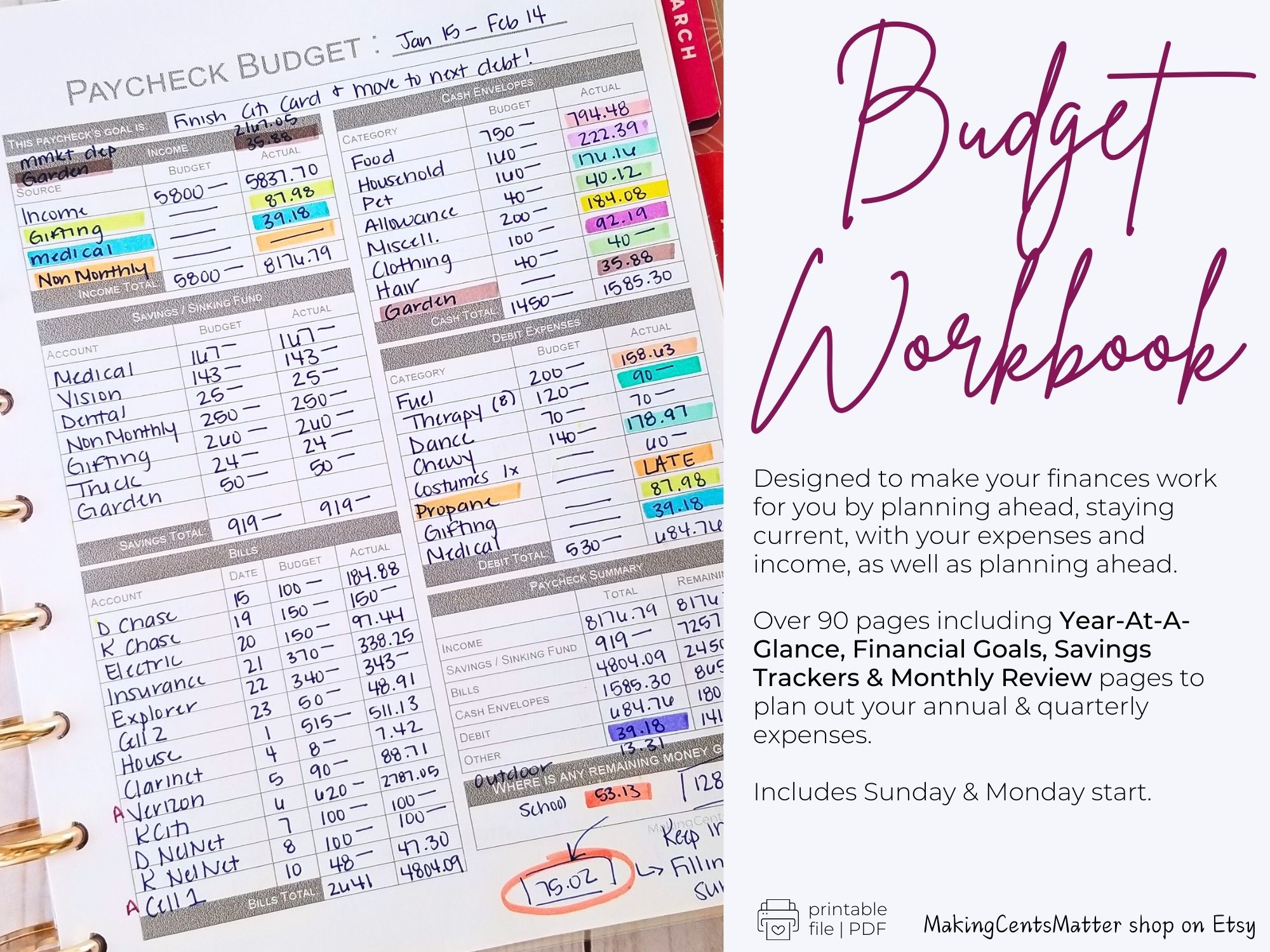
First, you have to make sure that you have a budget set up. I like to use a Zero-Based Budget, but no matter which budgeting strategy you use, it is hard to start implementing cash if you don’t have a clear budget first.
After your budget is set up, you need to look at your past expenses. This means looking at the last 3 – 6 months of purchases to see the average amount you spent in your various budgeting categories. If you use one month of expenses, and it was during marching band, your Groceries category may not be accurate since you’re eating out every Friday before the game.
From there, you can set your cash budget amount based on what was spent in the previous months. I prefer to budget on the higher end of what I spend, but I also know that some months, there are budgeting categories that aren’t as important and need to be reduced to make sure I’m not overspending.
What Budget Categories Should Be Cash?
Using a cash budget is best for the categories you tend to overspend on, so you can watch your spending more accurately. I started with Groceries and Household/Personal Care since they were the two categories I had the hardest time reigning in spending on.
I don’t use cash for monthly bills, and most non-monthly expenses. That said, these are the categories that work best within my budget. Please note, not all of these categories are used every month.
- Groceries
- Household/Personal Care
- Family Fun {eating out / movie money}
- Pet Care (supplies)
- Vet
- O Allowance
- B Allowance
- K Fun Money
- Hair
- Clothing
- Vacation
- Back to School
- Miscellaneous
Some other cash categories used by others are:
- Fuel
- Baby
- Lunches
- Auto Maintenance
As I mentioned, not all of these categories get used every month, but these are the categories I use cash for.
How Much Cash Do I Need To Take Out?
The simple answer is, as much as you need to cover your categories, but not more than your budgeted amount. That is going to take some effort on your part, which is why checking your past expenses is crucial!
For calculating how much cash you need, let’s take this example:
- Let’s say that you are paid $1,000 every week.
- You also know, from tracking your expenses, that you spend:
- $600 per month on groceries
- $80 a month on household & personal care items
- $60 each month for pet food & supplies
For your weekly paycheck, estimating a month as 4 weeks, you would need:
-
- $150 per week for groceries
- $20 a week for household & personal care items
- $15 each week for pet food & supplies
From your weekly paycheck, you would take out $185 each week in cash, as shown below. If you are using a physical banking location, which denominations you ask for is completely up to you.

What if I don’t have a bank near me?
I mentioned before that one thing stopping me from using a cash budget is that I didn’t have a bank location near me. That means I rely on ATMs within their network, and the denominations they offer.
For me, knowing that the ATM I need to use only does denominations of $20, I would take out cash for the above example like this:

This way, I still have the correct monthly amount for each category, but it is divided out differently each week.
How To Use Cash Within Your Budget
When you are at the store, leave your cards in your car or somewhere where you cannot easily access them. Don’t use your debit or credit cards for categories that you have as cash.
Most people think the hardest part of a cash budget is calculating how much cash you’ll need for each week or month; to me, that’s the easy part.
The self-discipline it takes to continue to use cash, even as you see the money dwindling, that is the hardest part for me. Don’t get discouraged; it will work! But because you are changing a habit that you have been doing for a while, it will take some time.
What If I Have Money Leftover?
The choice is ultimately yours! You can deposit the unused cash back into your checking account to make an additional debt payment. You could send it to savings, add to an emergency fund, or even get ahead on a sinking fund. The choice is yours!
Since I utilize ATMs within my bank’s network, I save it for the next time I fill the envelope. So if I have $20 left in my pet supplies envelope, I’ll reduce what I take out next month by $20, and follow through with the above options (debt payment, sinking fund, emergency fund, etc.)
What If I Do Spend All The Money?
I’ve been here before, and it simply means that I need to go back to the drawing board to make sure that I’m still reaching my overall financial goals. Start by reassessing your budgeting categories. This could mean reducing one where you consistently have money leftover in.
Maybe this is a category that your current season of life needs an increase within that category (feeding three teenagers means a grocery fund adjustment for me!). This is why budgets constantly need to be reviewed; life is forever changing, and our budgets change with it.
Should I be Using Cash Envelopes?
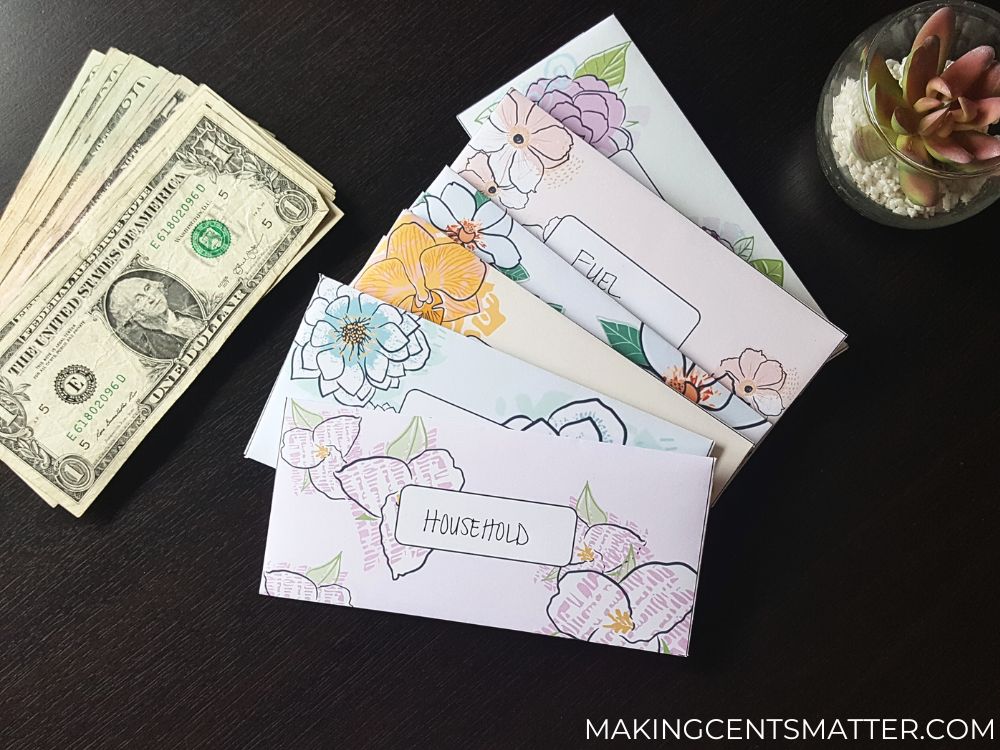
If you prefer to use envelopes, then use them! I have used envelopes from junk mail, mailing envelopes*, or even printable envelopes. Use what works for you in your season of life.
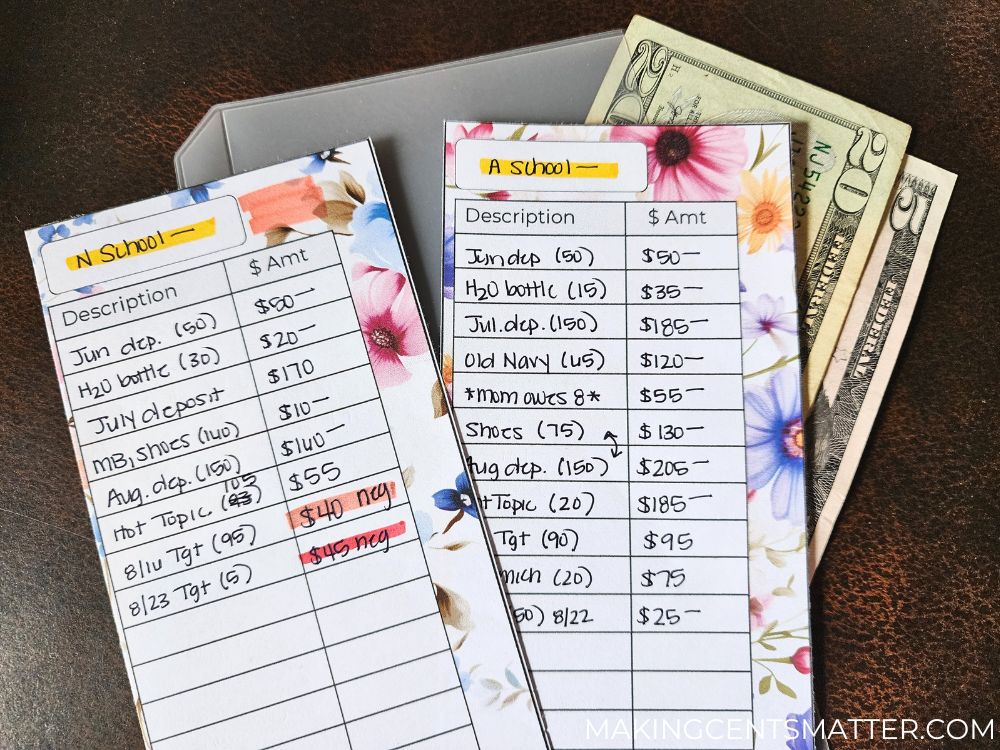
I also go back and forth between laminated envelopes that I keep in my wallet, or even these clear envelopes*, and cashless trackers.
Use what works for you and makes it easier to stick to your budget!
Online Shopping On A Cash Budget
Many people ask if it is even possible to incorporate online shopping when you have a cash-based budget. The short answer is YES! But again, it will take some calculations and a bit of self-discipline.
The option that works the best for my middle is to withdraw the cash that he budgeted for his online purchase and use it to buy a prepaid Visa. He has to activate the Visa before making his purchase, but since he tends to ‘add to cart’ a lot, this helps limit him to what he can spend.
There are many other ways you can do it, including budgeting for the full expense, using a credit card for the purchase, and paying off the purchase right away. I used to do that a lot, but if you are someone who can get overwhelmed with budgeting, or are not in a phase of life to remember these purchases, it simply won’t be the best option for your long-term financial goals.

Make Sure You Succeed
In order to succeed with a cash budget, make sure you have clear financial goals. Understand why you are making the change to a cash budget, and be prepared to stick to it.
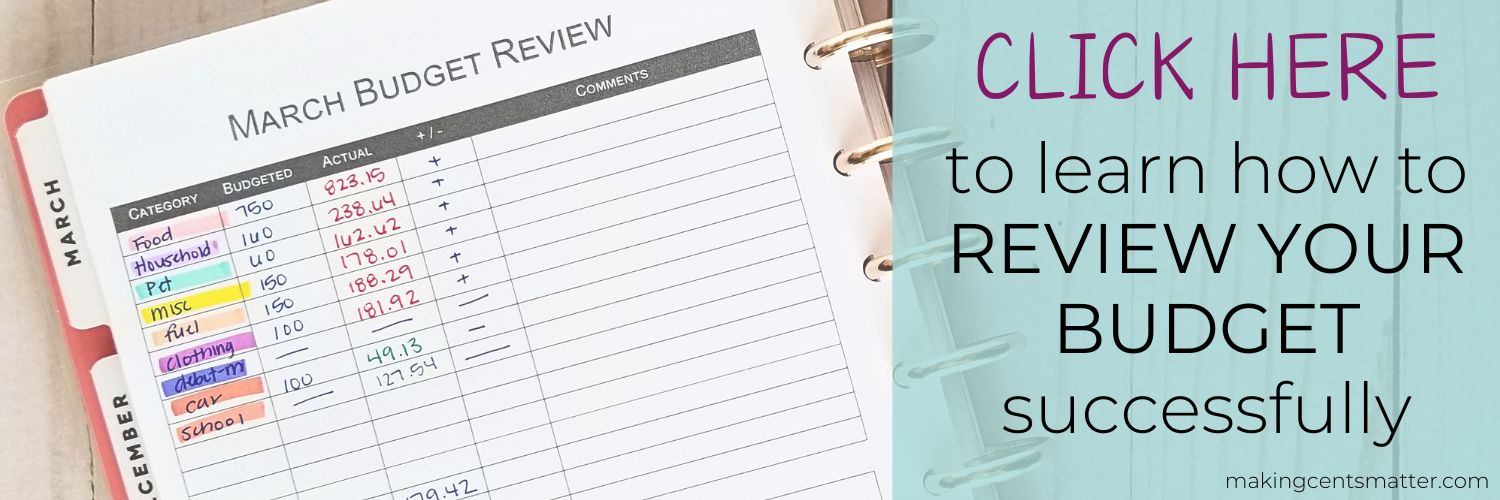
Schedule time to reassess your budget categories periodically. Spending habits and amounts will change as you go through life.
While my family of 5 hasn’t grown larger, my kids certainly have grown bigger than when I first started budgeting. Feeding teenagers on a budget is a struggle, but one that can be overcome with some adjustments.
As with all things personal finance, it is unique to your situation. Find a balance that works for you, and don’t forget to give yourself grace as you implement a cash budget.
What Are Some Of Your Cash Budget Tips?
Do you have any additional tips for using cash in your budget? Leave them in the comments below!

Leave a Reply