
You’ve finally decided it’s time to tackle your debt, and you’ve heard the debt snowball method might be the way to go. Starting something new—especially something as emotional as getting out of debt—can be intimidating. That’s why I want to help you skip the frustration and make progress faster. I’m going to walk you through 10 common mistakes people make when they first start using the debt snowball method—and how to avoid them so your debt payoff journey feels doable and empowering from the start.

RELATED POSTS
- 9 Steps To Follow To Pay Off Your Debt
- How To Easily Increase Your Debt Payment – Without Breaking The Bank
- How to Organize Your Budget With A Finance Binder
- What Budget Method Is Best For You? Here’s How You Can Figure It Out!
Feel like you’re ready to tackle your debt with the snowball method?
You want to start paying off your debt, and you’ve decided to go with the debt snowball method. It sounds simple enough: list your debts, pay off the smallest one first, and build momentum as you go. But if you’re feeling overwhelmed, nervous, or worried about doing it “wrong,” you’re not alone.
Like any plan out there, there are bound to be mistakes that can throw you off course. This is especially true when you are starting. Below are 10 mistakes that are easy to make when you start the debt snowball method, plus simple adjustments to get back on track as you continue your debt-free journey.

Mistake 1: Skipping A Full List Of Your Debts
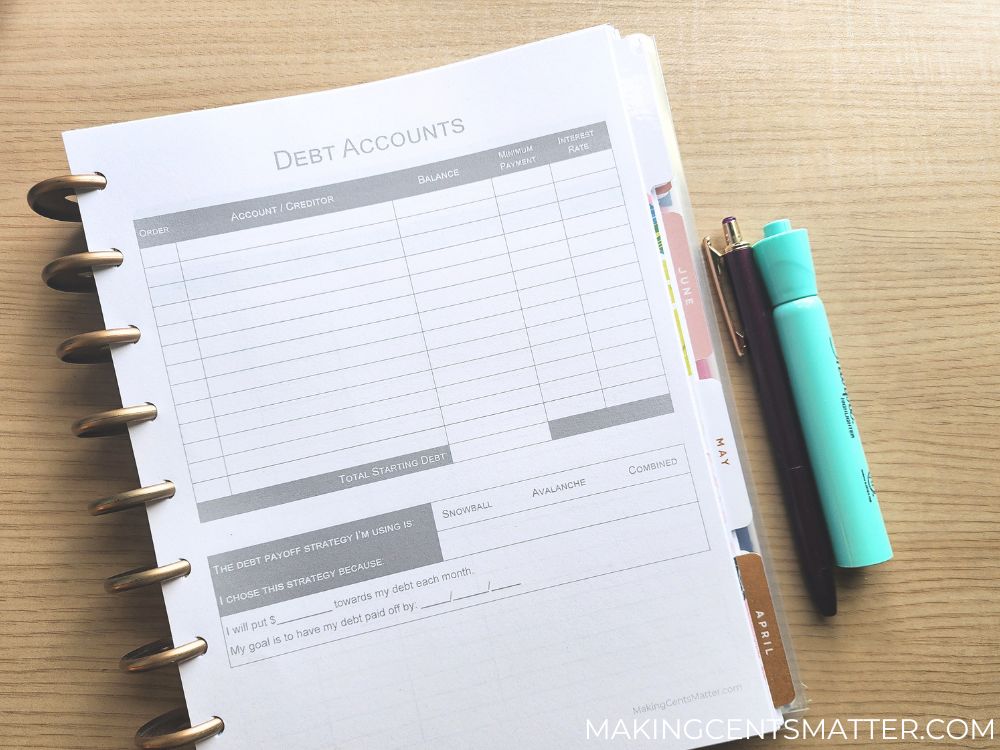
Before you can build momentum, you need to know what you are actually up against! Many people forget to list all of their debts, especially things like medical bills, personal loans, and store credit cards.
Instead: Write down every single debt, no matter how small or how intimidating. Seeing the full picture helps you to create a realistic payoff plan.
Mistake 2: Paying Off Debts By Interest Rate, Not Balance
The debt snowball method is all about changing your behavior, not saving money on interest. If you are paying off your debts from the highest interest rate first, that is the debt avalanche method, not the debt snowball.
Instead: Stick to the plan. Start with your smallest balance so you feel your quick wins and can stay motivated.
Mistake 3: Not Creating A Budget First
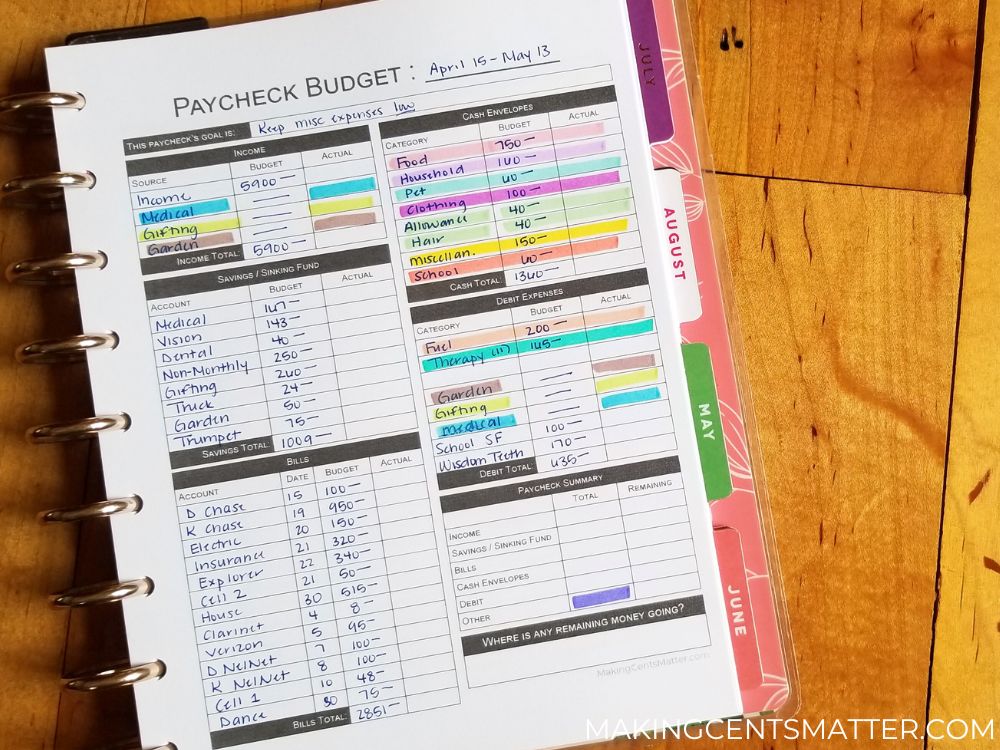
If you don’t know where your money is going each month, you are going to struggle to find any extra money to throw at your debts.
Instead: Create a simple budget that accounts for your bills, needs, and minimum debt payments. Then look for ways that you can reduce spending to increase your snowball.
I like to use the Zero-Based Budget method because I can create it to cover everything due between paychecks.
Mistake 4: Consistently Forgetting To Track Your Progress
One of the crucial parts of the debt snowball method is tracking your progress and how it makes you feel as you pay off each debt. But if you aren’t tracking your progress, it becomes very easy to feel like you are stuck.
Instead: Use a printable tracker, a spreadsheet, or even an app to mark off each debt as they are paid. However you do it, you need to celebrate those victories!
Mistake 5: Neglecting To Create An Emergency Fund First
You cannot predict life. So if an emergency happens, you might end up relying on credit cards and undoing all of your hard work.
One year, our well pump went out, leaving us without water. To cover the repairs, I was able to pull a little bit of money from a sinking fund we didn’t need yet. Without that money I had set aside, the repairs, which were under $300, would have been added to our debt.
Instead: Build up a small starter emergency fund, even if it is only $500, before you begin to throw every extra dollar you have at your debt.
Mistake 6: Throwing Too Much At Debt Too Soon
Starting our debt-free journey is a very exciting time. But if you start to put every single dollar toward your debt, and leave nothing for breathing room, or even a little fun, you will burn out very fast.
Instead: Make sure your budget includes some room for flexibility and fun. Slow, yet sustainable progress is much better than a cycle of quick progress followed by burnout.
Mistake 7: Comparing Your Progress To Others
It can be very easy to feel behind when you see others paying off $15,000 in 6 months. Remember, you’re not behind. Your journey is very different than theirs.
Instead: Shift the focus to your journey. Your income, life, values, and responsibilities are unique to you; your progress is valid at any speed.
Mistake 8: Not Adjusting When Life Happens
Life doesn’t stop just because you’re working through your debt payoff plan. If you change jobs, have a sudden illness, or an unexpected expense hits, your plan needs to be adjusted accordingly.
I had to pause and then readjust my entire debt payoff plan when I was going through my divorce. It’s harder to remain rigid than to just let life happen and adjust as you go.
Instead: Remember to be flexible. A short pause does not mean that you have failed; it means that you are human.
Mistake 9: Leaving Your Partner Out of The Plan
If you are in a committed relationship and attempting to pay off debt alone, it can lead to bigger issues like miscommunication.
Instead: Talk openly about your financial goals, progress, and struggles. It is so much easier to achieve a goal when you’re both supporting each other and on the same team.
Mistake 10: Thinking That Small Payments Don’t Matter
It is very easy to think that $10 here and $25 there toward your smallest debt won’t make much of a difference. The truth is, every little bit counts when it comes to achieving your financial goals!
Instead: Keep going! Every small step forward is still progress in the right direction.

Final Thoughts: Perfection is not necessary for progress.
When you start paying off debt with the debt snowball method, it is exciting! But it can also feel overwhelming. You may want to do everything perfectly; the reality is that you won’t. There is no such thing as a perfect debt-free journey. There is only a real one.
If you’ve made some of these mistakes already, don’t worry! The important thing is that you started! Next time you find yourself falling into one of these mistakes, remember to learn, adjust, and continue forward. That’s what real progress looks like.
The debt snowball method works because it’s building momentum, paying off your debts, while you’re building confidence in yourself. When you are aware of these common mistakes, you can learn how to avoid them. This helps to keep your motivation strong and your path clear, even when life feels overwhelming.


Leave a Reply