
Do you feel like your budget is stuck? One of the biggest mistakes I see people make is thinking their budget can be set up once, and that’s it. The fact is that your budget needs to evolve as your life changes. Whether you’re new to budgeting or have been tracking your income and expenses for years, there are times when you simply need to hit refresh on your finances. Learning how to reset your budget is vital to get back on track and realign your money with your current life and financial goals.

Looking For Something Else? Check Out These Related Posts:
- How To Complete A Budget Review
- Organize Your Finances With A Budget Binder
- How To Analyze Your Personal Spending

Why Might Your Budget Need To Be Reset?
Resetting your budget helps you to start fresh, with renewed intention and clarity. Our lives change, and our budget should reflect these changes. Here are some reasons you may need to reset your budget:
Income Changes
Whether it’s a promotion, a new job, or a job loss, any change in your income can disrupt your current finances. Your budget needs to be updated to reflect those changes, and your new income realistically.
Lifestyle Shifts
Changes in your lifestyle can drastically impact your expenses. This goes for whether you just got married or divorced, had a child, or one moved out. Even relocating can change your expenses. It’s better to be proactive about these shifts.
Overspending Patterns
If you’ve been consistently overspending in certain budget categories, it’s a clear sign that your budget isn’t realistic or aligned with your current priorities in life.
Unexpected Expenses
Your entire budget plan was thrown off by unexpected expenses. Whether it’s medical bills, home repairs, or other emergency expenses, a reset can help you get back on track.
New Or Refined Financial Goals
Maybe you’ve decided you want to save for a vacation, invest in furthering your education with additional courses, or you’re ready to buy a house. A budget reset will help you allocate money towards these new goals.

Is It Worth Resetting Your Budget?
When you reset your budget, there can be some drawbacks. However, no matter how chaotic the process to reset your budget feels, the benefits far outweigh any of the drawbacks.
Remember to approach a budget reset in a positive and proactive way, rather than thinking of a budget reset as a way to react to life’s changes.
Benefits Of A Budget Reset:
- Realigning your budget with your current values and needs can help improve your clarity of how you are budgeting.
- Updating your budget to current income and expenses helps to increase your financial stability.
- A fresh budget can bring renewed energy, along with a motivation boost to remain committed to your financial goals.
- By changing your budget when your life changes, your budget remains flexible and has better adaptability.
- When your budget fits your life, you reduce financial stress, increase confidence, and strengthen your financial stability.
Drawbacks Of Resetting Your Budget:
- Resetting your budget requires complete focus and sometimes emotional labor. Depending on how much your needs have changed, this can be incredibly time-consuming.
- Sometimes resetting your budget feels like a failure, which can be frustrating, especially if you’ve struggled to stick to previous budgets.
- Changing your spending plan can temporarily feel confusing and chaotic.

Signs That You Need To Reset Your Budget:
Are you unsure that it may be time to reset your budget? Here are some of the budgeting red flags. It is important to recognize these signs early to help you regain control of your financial health before it takes an even bigger hit.
1 – You’re Consistently Going Over Budget
Frequently overspending, or even dipping into savings to cover monthly expenses, is a sure sign that your current budget is flawed.
2 – You Rely On Credit To Make It Through
Are you using your credit card to make sure you make it through the month? If so, your current budget is not sustainable and needs a reset.
3 – You’re Stressed About Your Finances
Feeling overwhelmed or anxious is a part of everyday life. But if you are always worried about your finances, this is a huge signal that your budget is not working for your mental and financial well-being.
Feeling stressed? Check Out [How to Budget When You’re Overwhelmed].
4 – Your Expenses Have Exceeded Your Income
Lifestyle creep can take over very quietly. If you’ve noticed you’re spending more than you would have before, it is time to reevaluate your spending. Learn how to effectively track your expenses to know what categories you can reduce or cut.
5 – You Stopped Budgeting Entirely
Does your budget feel too restrictive? Or is your spending disconnected from what you value? If so, it becomes very easy to abandon a budget entirely. Learn how to set a budget to reflect what you value; it will help keep you motivated with your finances.
6 – Your Finance Goals Have Changed
When your budget doesn’t reflect your current dreams in life, you won’t be motivated to stay on track. It’s time to reevaluate your budget to reflect your current financial goals.

When Is The Best Time For A Budget Reset?
You don’t need to wait for the perfect moment, and you can reset your budget at any time. Ideally, you will want to reset your budget when the current one is no longer working. Here are some other times a fresh start may also be appropriate.
At The Start Of A New Month, Quarter, Or Paycheck
A new month or quarter can give a natural stopping point, and make tracking your expenses much easier. You may also find that starting fresh with a new paycheck is the ideal way to go.
After A Major Life Event
Reset your budget promptly after a move, job change, or a big expense. You want to wait until things spiral before you address your finances.
When You Feel Stuck Or Overwhelmed With Finances
If you are experiencing emotional burnout because your budget is too rigid or even outdated, it is time to reevaluate and reset.
After Reviewing Your Finances
The end of the quarter or year, or even after tax season, is a great time to reflect on your spending and reset your budget based on the expenses from the past year.
Steps To Reset Your Budget:
Feel like your budget needs a fresh start? Here’s how to reset your budget in a structured, clear way.
1 – Review Your Current Budget
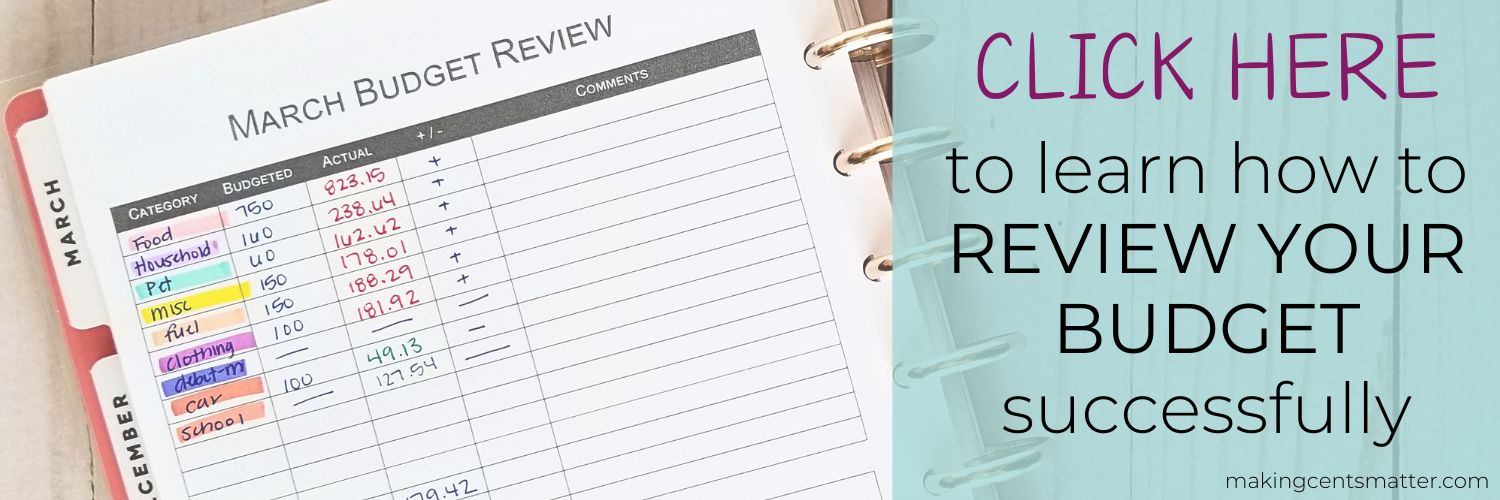
Start by examining your existing budget. Get honest about what isn’t working.
- What categories are working for you?
- What categories are you consistently overspending in?
- Are there any areas that feel restrictive?
An honest and non-judgmental assessment helps you know where to make changes.
2 – Assess Your Income
Use accurate and up-to-date numbers to build your new plan. Did your income change, or did your income stay the same but your expenses went up?
3 – List Out All Expenses
Include all of your fixed expenses, like rent and insurance, as well as variable expenses, like food and fuel. Don’t leave out occasional, seasonal, and irregular expenses that you have, like gifts and annual expenses, too. Look back at the last calendar year to see what has changed, and make adjustments to your budget based on that.
4 – (re)Define Your Financial Goals
Your financial goals are the key to your long-term motivation. Whether you want to pay off your debt, build an emergency fund, or even travel, clearly setting your financial goals is how you will reach each one. Rank your goals, and then assign amounts that you want to save each month towards your goals.

5 – Choose A Budget Method That Works For Your Current Needs
If your old budget wasn’t working, it’s time to try a different budgeting method. Find a budget style that works for your habits and lifestyle. For budgeting beginners, you need to start with a system that is easy for you to maintain.
Want to learn more about the different budget methods? Check Out [How To Choose A Budget Method].
6 – Create A New Financial Plan
Use everything that you’ve learned to build a fresh, realistic budget. The key here is to be realistic. Don’t underestimate any costs, or try to squeeze yourself into a plan simply because others are doing it. Flexibility is important for your budget to be sustainable.
7 – Organize Your Finances & Automate What You Can
Organizing your finances makes it much easier for you in the long run. Here are some simple ideas to help:
- Set up auto-payments for bills and automatic savings transfers.
- Create digital reminders to update your budget
- Use a combination of apps, calendars, and planners to help you keep your budget on track
Confused about how to use a budget calendar? Check Out [15 Ways To Use A Calendar To Help Your Budget].
8 – Review & Adjust
Resetting your budget is a one-and-done. Check back in weekly, or even monthly, to make sure that your plan is working for you. If not, modify it to make changes as they are needed.
Remember, effective budgeting is about consistency and flexibility, not perfection.

Give Your Budget The Shift It Needs
Your budget is a dynamic tool that is meant to help you, not restrict you. If your current budget isn’t supporting your lifestyle, financial goals, or overall financial health, it is time for a reset.
When you recognize the signs early, you can reset your budget and align your spending with your values. The steps outlined above help to give you a clear process to regain financial stability.
Resetting your budget doesn’t mean that you’ve failed; it means that you’re succeeding! Starting over is a sign of growth. So, whether you’re a budgeting beginner or you need to simplify your current system, resetting your budget can bring back clarity, confidence, and renewed direction that you need.
Is Your Budget Due For A Refresh?
Think your budget is due for a refresh? Download my FREE 2-page Budget Reset Checklist to help walk you through the process of getting your budget back on track with your financial goals.
Whether you’re aiming to save more money, become debt-free, or just want peace of mind with your budget, resetting your budget is a vital step to get back on the path towards financial health.
Get started today – because your money should work for you, not the other way around.
Want More Content Like This? Check Out:
- Lessons You Can Learn From A Failed Budget
- How To Create A Personal Finance Snapshot
- 10 Budgeting Habits Everyone Needs


Leave a Reply