
Budgeting is a skill that is learned through practice, trial & error, and adjustments. The good news is that once you recognize this pattern and the habits that are holding you back, you can start to build a budget that truly works for you! Here, you’ll learn about the ten most common budgeting mistakes to avoid, and practical adjustments you can make to create stability in your finances, stay on track with your money goals, and feel confident in how you manage your money each month.

Learning how to manage money effectively is one of the most valuable life skills; yet most of us were never taught how to do so. This leaves us to figure it out on our own as we download multiple apps, printables, and scour the internet, hoping that something will finally click into place.
Next thing you know, you’re frustrated, and your budget is failing. You start overspending {because why not?!}, and the guilt kicks in; you swear that you’ll do better next month, but the cycle repeats. The truth is, most of the time it isn’t your budget that is the issue; it is repeated mistakes that happen behind the scenes.
Read more about the ten of the most common budget mistakes to avoid.
Check Out These Related Posts:
- 10 Mistakes To Avoid While Using The Debt Snowball Method
- 15 Ways A Budget Calendar Can Organize Your Finances
- How To Create A Consistent Budget Routine That Works For You

Why Budgeting Mistakes Often Happen
We can’t talk about budgeting mistakes without understanding why those mistakes happen in the first place. The biggest reason is that budgeting can feel so challenging. Many people start their first budget with high hopes and big goals. It doesn’t matter whether they want to save money, grow their retirement, pay off all their debt, or simply reduce the amount of stress they feel surrounding their finances; the biggest piece missing is creating a plan that aligns with their real life.
Ten Budgeting Mistakes You Need To Avoid
Numbers can look perfect on paper, and yet completely fall apart when daily habits, emotional spending triggers, and unexpected expenses and events meet your finances.
This is why mastering your budget and improving your financial health isn’t just about the math. It is about being aware, flexible, and having an understanding of your financial behaviors. If you can identify any of these mistakes in your budget and successfully adjust for them, you are already one step closer to improving your financial health.
Mistake #1: Not Tracking Your Spending
This right here is the number one reason budgets fail. When you don’t know where your money is going day to day, your budget becomes more of a guessing game than a plan for financial freedom.
Even IF you set spending limits, you cannot stick to them if you are not aware of how every small purchase is adding up in the background.
Instead, Build Awareness
Choose a simple method to start tracking your expenses consistently, whether it is through apps, printable trackers, or even a spreadsheet. Review your spending every week, and make adjustments to your budget as needed before the end of the month.
Mistake #2: Setting Goals That Are Not Realistic
Saving half of your paycheck, or entirely eliminating eating out from your budget, might sound great at first. But when your goals are too strict, burnout, guilt, and giving up are surely going to follow. Budgeting for beginners requires that you start with where your current habits are, not with your ideal habits.
Alternatively, create goals that stretch you
When you can create goals that stretch you, your motivation won’t fade. Using the SMART goal setting method will help you set specific goals that are measurable and achievable, along with being relevant to your specific financial circumstances, and on a timeline that works with you.

Mistake #3: Ignoring Your Irregular Expenses
Every year, there are predictable expenses, yet they always seem to catch people by surprise. These irregular costs can include birthday gifts, car repairs, holiday spending, and back-to-school supplies. When these irregular costs are not accounted for in your budget, it becomes much too easy to grab a credit card or raid a savings account.
Plan ahead with Sinking Funds Instead
Creating a sinking fund by starting small, a simple monthly savings category for any quarterly, seasonal, or annual expenses helps you have the money ready up front when these costs are due.
Frustrated on where to start paying off your debt? Check Out [9 Simple Steps To Becoming Debt-Free].
Mistake #4: Budgeting From Memory
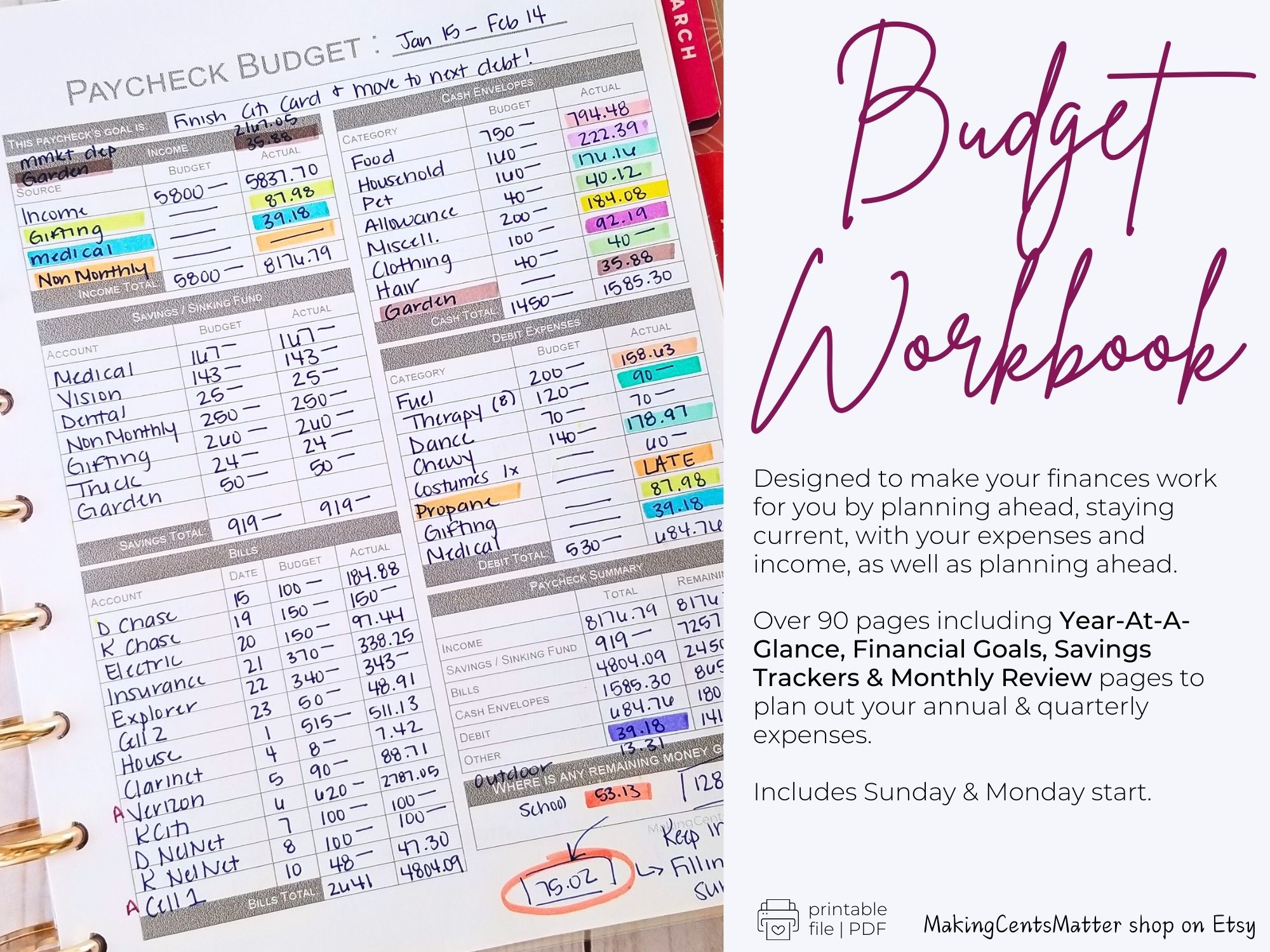
When you make a mental budget, it isn’t a real budget. Life enters the picture, your numbers start to get fuzzy, and since nothing was written down, it will be impossible to remain consistent. When you take the time to organize your finances in a written format, it creates structure to your budget, as well as accountability.
Choose a budget method:
Make sure you choose a budget method that you can maintain long-term. Writing it down in a planner or a budget binder is preferred, but you can use a digital tool as well. The best budgeting method is one that you will use regularly.
Mistake #5: Forgetting To Include Fun In Your Budget
Too many budgeting beginners try to cut their budget back to nothing but the basics by removing all the enjoyment. The reality here is that fun isn’t optional. There has to be fun included within your budget, whether it is coffee with a friend, supplies for a hobby you enjoy, or even a family movie night. Cutting out all the fun will inevitably lead to overspending.
include a fun money category:
By creating a category in your budget for fun, even if it is a small amount that you add to over time to save up for an experience, you will prevent impulse spending and guilt.
Mistake #6: Ignoring Emotional Spending
When you focus on tracking your budget by the numbers, you don’t take the time to understand your emotions around why you are spending the money. Whether it is stress, boredom, loneliness, or celebration, most unplanned spending comes from various emotions.
Become Aware Of Your Triggers:
Before you purchase items, pause and ask yourself if you are buying them because they are needed or because of how you are feeling. Journaling, or using a cash-only method, can help you shift your spending habits over time.

Mistake 7: Never Reviewing Or Updating Your Budget
Your budget changes with your life; that means your budget is a living document. What works one month might not work next month. Your income can change, and bills can increase. As your life changes, your budget must change as well.
Check In & Adjust:
Schedule time weekly to review your spending, and monthly to review your budget categories. Track any progress you make, modify your categories and sinking funds, and make sure that your budget reflects your current reality & financial goals.
Mistake #8: Copying Someone Else’s Budget
There is no one-size-fits-all approach to budgeting. Your priorities, values, and lifestyle are incredibly personal. Your budget should be, too. Copying someone else’s setup may look nice, but if it doesn’t match your needs, you will not stick to it.
Make Your Budget Personal:
When you personalize your spending categories and spending limits based on what matters most to you, you are more likely to stick to your spending plan.
Don’t know where to start to make your budget personal? Check Out [How Your Personal Values Affect Your Finances].

Mistake #9: Skipping An Emergency Fund
Even when every dollar is tight, saving something matters. Without a financial safety net, just one unexpected expense can undo months of progress.
Start Small:
Starting small, even with $10 to $25 per paycheck, helps you build momentum. Creating an emergency fund helps to build the foundation for your financial health.
Mistake #10: Giving Up Too Soon
For anything to be effective, there has to be repetition. The more you budget, the more you learn about what works and doesn’t work. A failed week doesn’t mean a failed budget overall; it means that your budget needs to be adjusted.
Be Flexible:
When your budget goes awry, allow for flexibility and grace. There are lessons that can be learned when your budget fails. When you focus on being consistent rather than perfect, you are improving your finances little by little every time you return to your budget.

How You Can Build A Budget That Consistently Works
When it comes to avoiding budget mistakes, there are no strict rules for you to follow. It is about creating a system that allows your finances to support your life.
A strong budget will allow you to:
- Become aware of your spending habits
- Maintain financial stability when life gets chaotic
- Support your long-term savings and financial goals
- Increase your confidence as you continue to structure your finances
- Improve your overall financial health with each passing month
All you need to do is start simple, track your progress, adjust as you learn, and celebrate every win. Perfection isn’t needed; consistency and progress are.
Looking For More Content Like This: Check Out:
- How To Reset Your Budget To Regain Control Of Your Money
- 10 Budgeting Habits You Need As A Beginning Budgeter
- How To Complete A Spending Analysis
Final Thoughts: Remember That You Aren’t Failing; You Are Learning
Most people struggle with their first, or even their hundredth, budget. So if your budget has not been a success in the past, you are not alone. Progress in any aspect of your life happens when you are learning from your mistakes, adjusting, and continuing on.
As you continue, your budget becomes stronger, you gain clarity and confidence in your decisions, and your finances become less stressful. Your financial stability is worth every effort.


Leave a Reply